Pest problems have a way of showing up at the worst possible moment—just as you're hosting dinner guests or settling into a quiet weekend. Whether it's ants marching across your kitchen counter, mysterious scratching in the walls, or wasps building a nest by your back door, the immediate question becomes: should you tackle this yourself or bring in a professional? Both paths have their place, and understanding when each makes sense can save you time, money, and unnecessary frustration.
DIY Pest Control vs Hiring a Professional: Knowing Your Options
DIY pest control vs hiring a professional is a decision that depends on several factors: the type of pest, the severity of the infestation, your comfort level with chemicals, and how much time you're willing to invest. Let's break down what each approach actually involves so you can make an informed choice.
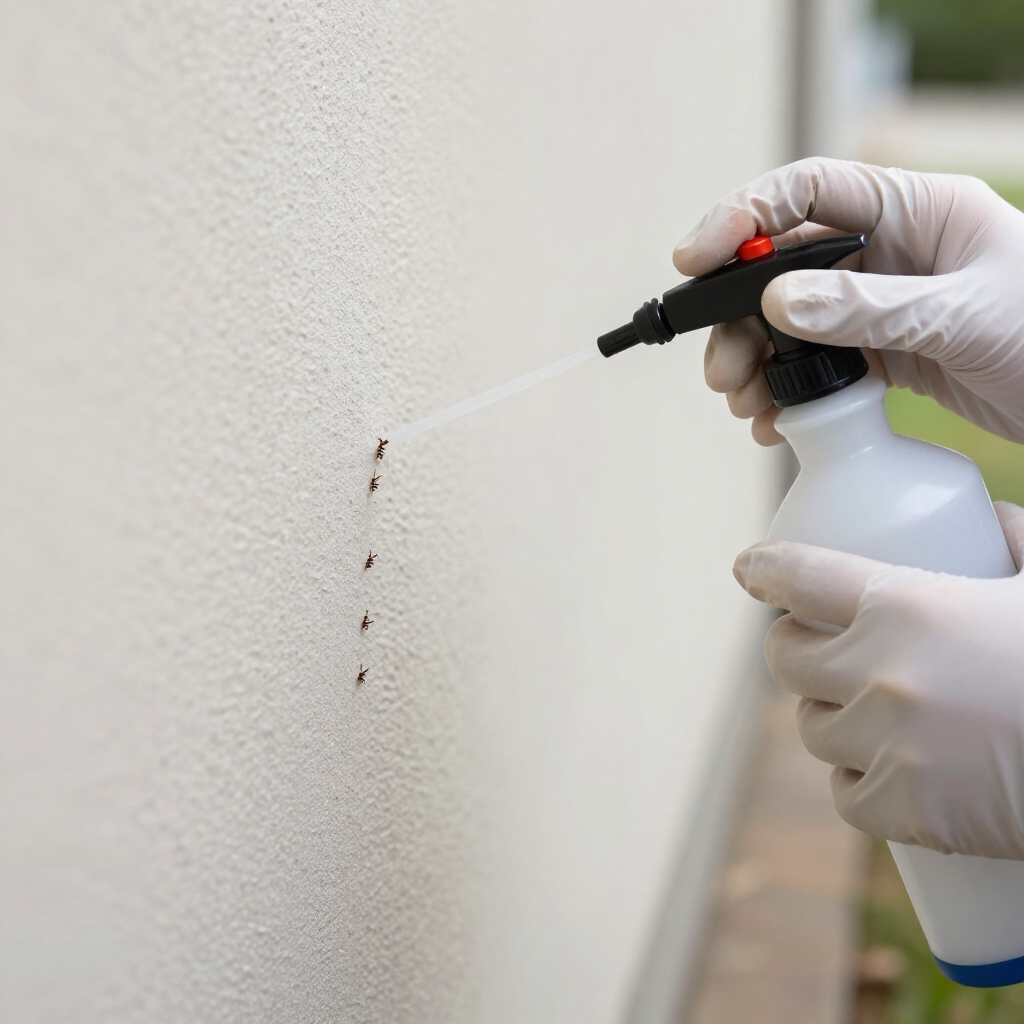
For minor, surface-level problems, DIY methods can be surprisingly effective. A line of ants trailing to a forgotten crumb, the occasional spider in the basement, or a few fruit flies around ripe produce—these are situations where store-bought traps, natural repellents, or simple sanitation changes often do the trick. The key is catching these issues early and addressing the root cause, usually food sources or entry points, rather than just treating symptoms.
DIY solutions shine when you have the time and patience to research proper application techniques. Many homeowners successfully use diatomaceous earth for crawling insects, peppermint oil as a rodent deterrent, or boric acid bait stations for cockroaches. The satisfaction of solving your own problem is genuine, and the cost savings can be meaningful for straightforward situations.
However, the DIY route comes with real limitations. Most over-the-counter products are formulated at lower concentrations than professional-grade treatments, meaning they may only affect pests you can see while missing the larger hidden population. Misapplication is common—too little and it's ineffective, too much and you create health risks for family members and pets. There's also the matter of identification: many homeowners treat for "ants" when they're actually dealing with termites, or attempt wasp control without recognizing the species and its aggression level.
When Professional Help Becomes Essential
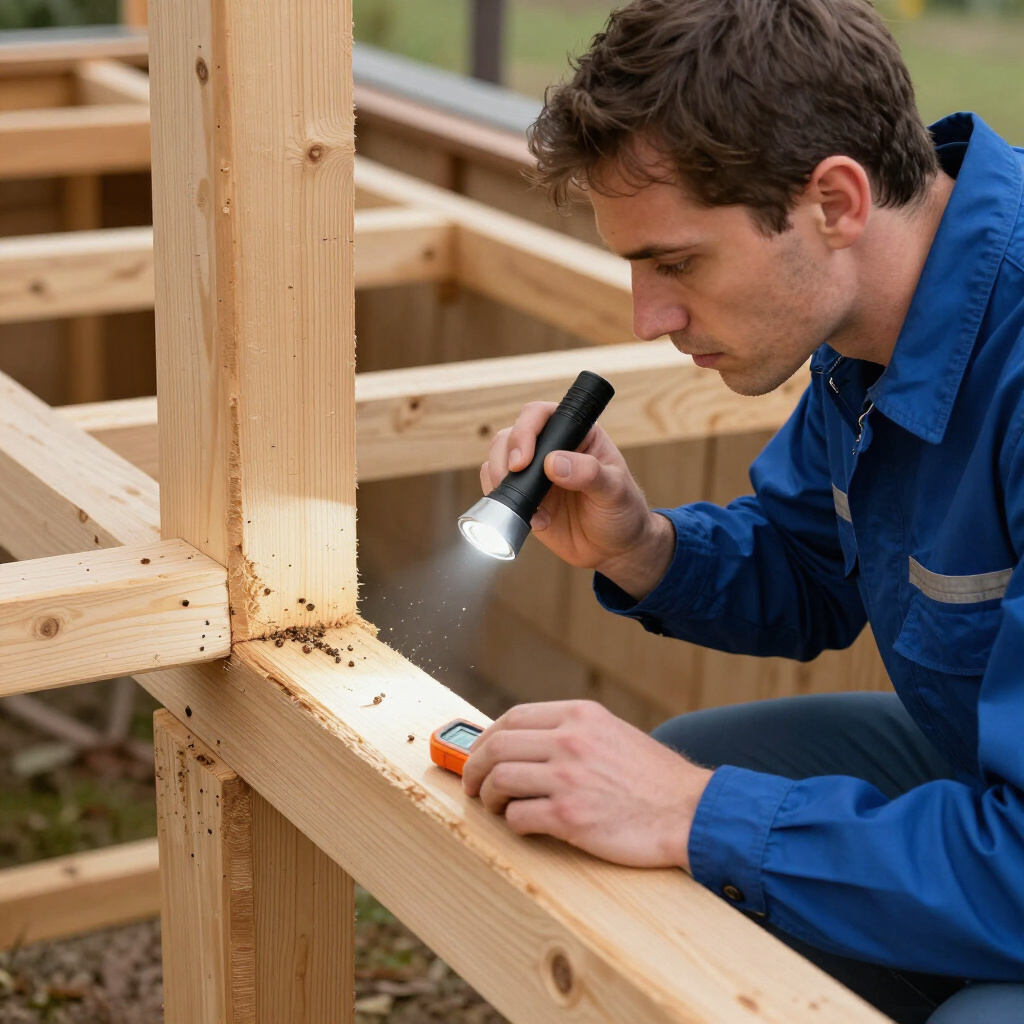
Certain pest situations clearly warrant expert intervention. Structural threats top this list—termites, carpenter ants, and powderpost beetles can compromise your home's integrity long before visible damage appears. By the time you notice sagging floors or hollow-sounding wood, repair costs often run into thousands of dollars. Professionals use specialized detection tools like moisture meters, thermal imaging, and acoustic sensors to find infestations in their earliest stages.
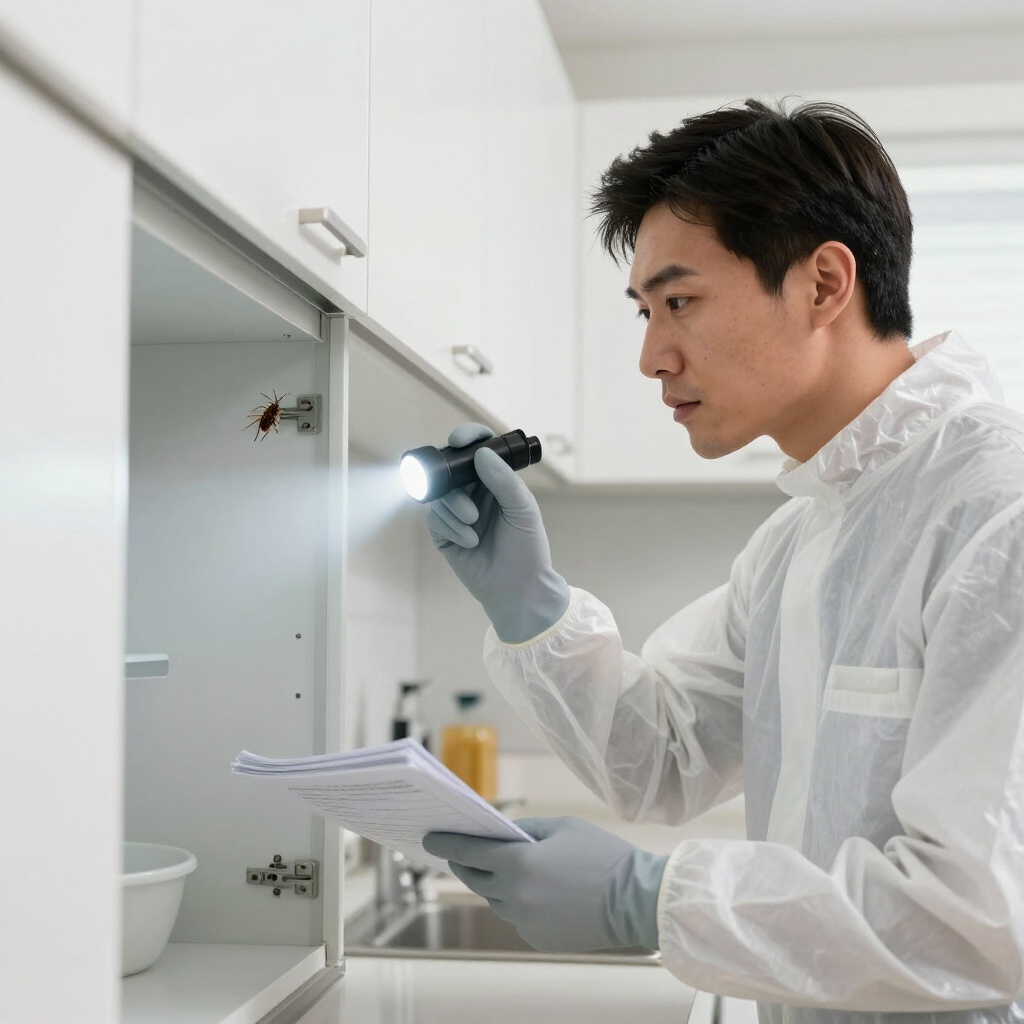
Health and safety risks represent another clear threshold. Venomous spiders, aggressive wasp species, rodents carrying hantavirus, and cockroaches triggering asthma all pose genuine dangers that merit professional handling. Pest control technicians receive training in proper protective equipment, application methods that minimize exposure, and integrated approaches that reduce reliance on chemicals alone.
Recurring or widespread infestations also signal that DIY efforts have reached their limit. If you've tried multiple store products without lasting success, the pest population has likely established itself beyond surface treatments. Professionals bring expertise in pest biology and behavior—understanding where species nest, how they reproduce, and what actually breaks their life cycle rather than temporarily repelling them.
The professional advantage extends to prevention and monitoring. A quality pest control service doesn't simply eliminate current problems; they identify structural vulnerabilities, recommend exclusion techniques, and establish ongoing protection plans. This proactive approach often prevents the emergency calls that cost significantly more than regular maintenance.
Key Tips for Making the Right Choice
Start with honest assessment. Walk through your home and note what you're seeing: how many pests, where they're appearing, whether numbers are increasing, and any accompanying signs like droppings, damage, or unusual odors. Photograph anything you can't identify. This documentation helps whether you're researching DIY solutions or calling for estimates.
If attempting DIY first, prioritize safety over speed. Read product labels completely—these aren't suggestions but federally regulated instructions. Apply treatments in well-ventilated areas, keep children and pets away during and after application, and never mix different chemicals hoping for stronger effects. Store products securely and dispose of empty containers properly.
When evaluating professional services, look beyond price. Ask about technician licensing and continuing education, what specific treatments they recommend and why, whether they offer guarantees, and how they handle follow-up concerns. A reputable company explains their integrated pest management approach, combining mechanical, biological, and chemical methods rather than relying solely on spraying.
Consider hybrid approaches too. Many homeowners handle routine prevention themselves—sealing cracks, maintaining landscaping, storing food properly—while reserving professional services for specific threats or annual inspections. This balance captures cost savings without sacrificing protection where it matters most.
Timing also influences your decision. Evening or weekend pest discoveries when stores are closed and professionals unavailable can tempt hasty DIY attempts. Having basic supplies on hand for genuine emergencies is wise, but resist the urge to empty multiple cans of spray at a midnight wasp encounter. Sometimes the safest immediate action is simply isolating the area and waiting for proper resources.
Final Thoughts
DIY pest control vs hiring a professional isn't really an either-or proposition—it's about matching the right response to the specific situation. Small, identified, contained problems often respond well to homeowner efforts. Structural threats, health risks, and persistent infestations merit professional expertise that protects both your property and your family's wellbeing.
The most expensive choice is often the one that delays proper treatment. Multiple failed DIY attempts, compounded damage, and spreading infestations cost far more than appropriate initial intervention. Trust your instincts when a situation feels beyond your comfort or knowledge level. The peace of mind that comes from professional resolution is itself a valuable return on investment.
Ultimately, informed homeowners make the best decisions. Understand what you're facing, honestly assess your capabilities, and don't hesitate to seek expert guidance when the stakes are high. Your home deserves protection that actually works.