
There's something uniquely unsettling about walking into a room and spotting a spider dangling from the ceiling—or worse, finding one in your bed. While most spiders are harmless and even helpful predators that control other pests, that knowledge rarely comforts anyone who'd prefer not to share their living space with eight-legged houseguests. The good news? Keeping spiders out of your house is entirely achievable with the right combination of prevention, maintenance, and smart deterrents. Here's everything you need to know to reclaim your home.
How to Keep Spiders Out of Your House by Sealing Entry Points
Spiders don't need much space to sneak inside. A gap the width of a pencil is plenty for many common species. Your first and most effective line of defense is making your home physically difficult to penetrate.
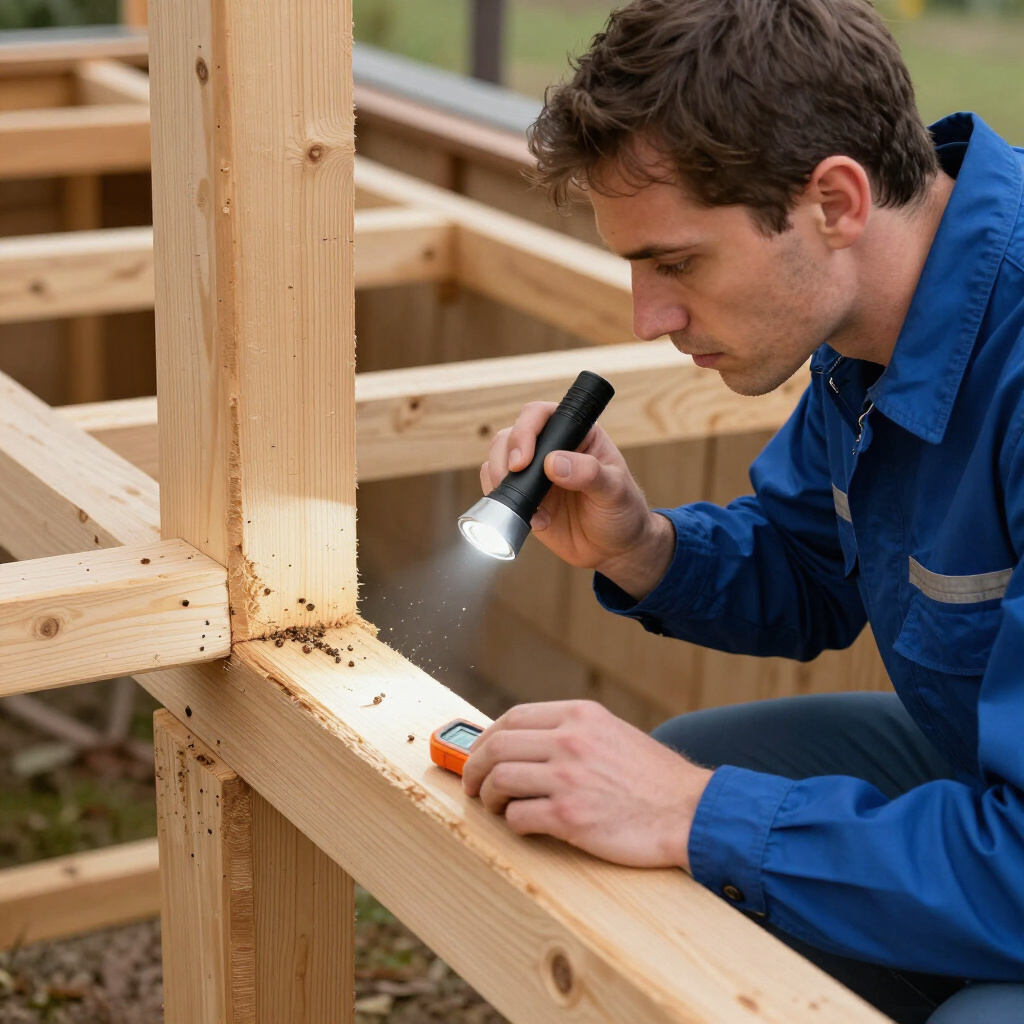
Start with a thorough exterior inspection. Check around windows and doors for deteriorating weatherstripping, and replace anything that's cracked or compressed. Caulk gaps around window frames, utility penetrations, and where siding meets the foundation. Don't overlook the obvious: torn screens, gaps under doors, and uncapped chimneys or vents all serve as welcome mats.
Pay special attention to areas where utilities enter your home. Plumbing lines, electrical conduits, and cable entries often have generous gaps that spiders exploit. Use steel wool combined with caulk for larger openings—this also deters rodents, which is a bonus. For doors, install door sweeps if you don't already have them, and check that existing ones still make firm contact with the threshold.
Your garage deserves attention too. It's often the gateway spider species use to access the rest of your home. Keep the garage door closed when not in use, seal the perimeter where the door meets the frame, and consider adding a rubber seal to the bottom if it's worn.
Remove the Conditions That Attract Spiders
Spiders enter homes for two reasons: shelter and food. Eliminate both motivations, and they'll look elsewhere.
Outdoor lighting is a major spider attractant, though not directly. Lights draw flying insects, and flying insects draw hungry spiders. Switch to yellow-toned or motion-activated bulbs that are less attractive to bugs. Position lights away from doorways when possible, so insects—and the spiders hunting them—congregate farther from entry points.
Landscaping choices matter enormously. Dense vegetation, mulch beds, and woodpiles pressed against your foundation create ideal spider habitat. Maintain a buffer zone of at least twelve inches between your home and any plants, shrubs, or ground cover. Keep firewood stacked well away from the house and elevated off the ground. Trim tree branches that overhang or touch your roof, as these serve as bridges for spiders and other pests.
Inside, clutter is your enemy. Spiders love undisturbed spaces—boxes in basements, piles of newspapers, stored clothing, and the dark corners behind furniture. Regular decluttering eliminates hiding spots and forces spiders into the open where they're more likely to be spotted and removed. Vacuum thoroughly and frequently, especially in low-traffic areas like basements, attics, closets, and storage rooms. When you do vacuum, don't forget corners, ceilings, and the spaces behind appliances.
Moisture control is equally important. Many spider species favor humid environments. Run dehumidifiers in damp basements, fix leaky pipes promptly, and ensure bathrooms have adequate ventilation. Address any condensation issues around windows, as the resulting moisture can attract both spiders and their prey.
Natural and Practical Deterrents That Actually Work
The internet overflows with spider repellent suggestions, but many lack evidence. Focus on methods with proven effectiveness rather than folk remedies.
Essential oils receive considerable attention, and some research supports their limited effectiveness. Peppermint, tea tree, and eucalyptus oils may provide mild repellent properties when freshly applied, but they require frequent reapplication—often daily—to maintain any effect. If you enjoy the scent, a diluted spray around entry points won't hurt, but don't rely on it as your primary strategy.
Diatomaceous earth offers genuine value. This fine powder damages the exoskeletons of crawling insects, including spiders, causing dehydration. Apply food-grade diatomaceous earth in dry areas along baseboards, in crawl spaces, and behind appliances. It only works when dry, so reapplication after cleaning or humidity exposure is necessary. Keep it away from areas where pets might inhale significant quantities.
Sticky traps serve dual purposes: they catch spiders and help you monitor where activity concentrates. Place traps along walls, in corners, and near suspected entry points. The patterns you observe will guide where to focus your sealing and cleaning efforts. Check traps regularly and replace when full or dusty.
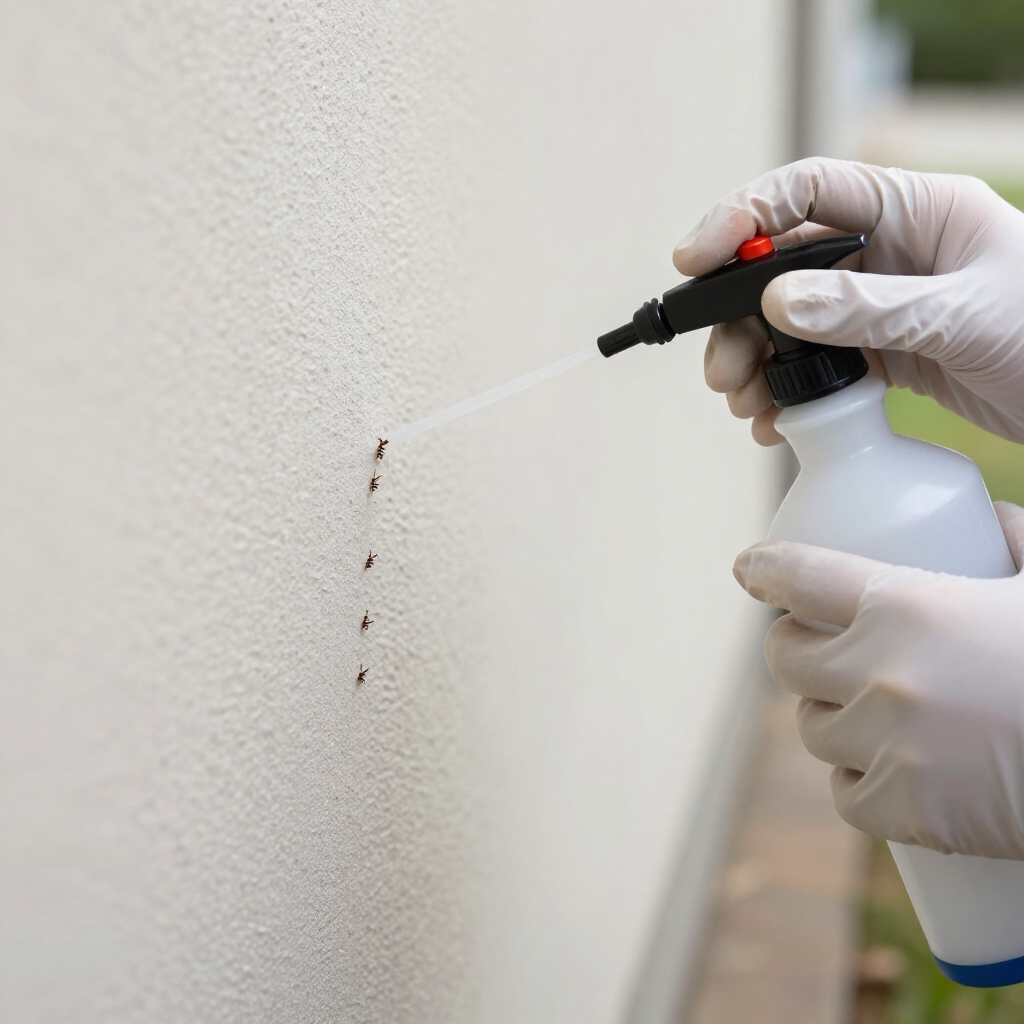
For persistent problems, targeted insecticide applications around the foundation and entry points can provide additional protection. Look for products specifically labeled for spider control, and always follow application instructions precisely. Consider whether professional perimeter treatments might be warranted if you're dealing with venomous species or heavy infestations.
Key Tips for Long-Term Spider Prevention
Consistency transforms occasional efforts into lasting results. Build these habits into your routine:
Conduct seasonal inspections of your home's exterior, ideally in spring and fall when spider activity peaks. Caulk degrades, weatherstripping wears, and new gaps develop as structures settle. Catching these early prevents problems.
Maintain your cleaning schedule even in unused spaces. The guest room nobody enters, the basement storage corner, the attic you rarely visit—these become spider sanctuaries precisely because they're undisturbed.
Manage your home's broader pest population. Spiders eat insects, so controlling ants, flies, moths, and other prey species removes their food source. Don't ignore a fruit fly problem or a cricket infestation; solving it helps with spider control.
Store items in sealed plastic containers rather than cardboard boxes. Cardboard provides both shelter and, in humid conditions, a food source for insects that spiders hunt. Clear containers have the added benefit of letting you see contents without opening them.
When you do encounter a spider indoors, removal beats squashing. Killing spiders can release pheromones that may attract others, and a quick release outside keeps your home cleaner. Keep a cup and stiff paper handy for easy catch-and-release, or use a spider catcher tool if you're squeamish.
Final Thoughts
Learning how to keep spiders out of your house isn't about achieving total elimination—that's neither realistic nor ecologically desirable. It's about establishing boundaries, making your home unappealing to spiders, and maintaining the environment that keeps them at bay. The strategies that work best—sealing entry points, reducing clutter, controlling moisture, and managing other pests—also improve your home's overall health and comfort.
Start with the fundamentals: that exterior inspection and sealing pass, the decluttering project, the lighting and landscaping adjustments. These foundational steps deliver more lasting value than any single product or quick fix. With patience and consistency, you can dramatically reduce spider encounters and enjoy your home with greater peace of mind.