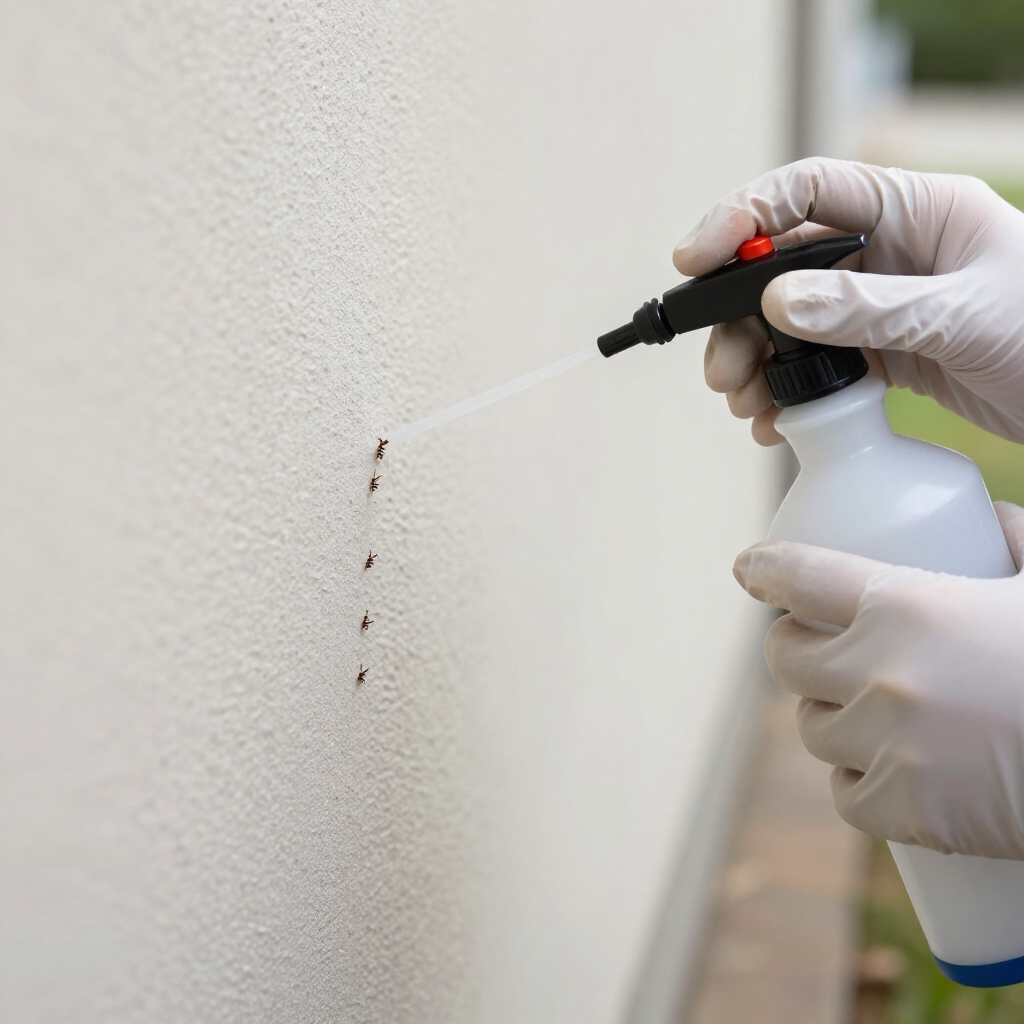


There's nothing quite like the sinking feeling of spotting a trail of ants marching across your kitchen counter. One moment your home feels like your sanctuary; the next, you're watching tiny invaders help themselves to crumbs you didn't even know were there. The good news? Preventing ants from invading your home is absolutely achievable with the right approach. You don't need to accept these persistent pests as an inevitable part of warm weather. By understanding what attracts ants and implementing smart, consistent habits, you can keep your living spaces completely ant-free all year round.
How to Prevent Ants From Invading Your Home Starts With Eliminating Food Sources
Ants are remarkably efficient foragers, and their entire mission revolves around one thing: finding food to bring back to their colony. Your first and most powerful line of defense is simply removing what they're searching for. This goes far beyond wiping down counters after cooking.
Store all pantry items in airtight containers. Ants can detect the faintest traces of sugar, flour, and even pet food through paper and thin plastic packaging. Glass jars with rubber seals or heavy-duty plastic containers with locking lids make your dry goods virtually inaccessible. Don't overlook seemingly safe items like honey jars—wipe down sticky exteriors after every use.
Your pet's feeding area deserves special attention. Many homeowners don't realize that leftover kibble sitting in bowls for hours becomes a beacon for ant scouts. Consider feeding pets on a schedule and removing uneaten food promptly. You can also create a moat system by placing food bowls inside larger dishes filled with a small amount of water—ants won't cross the barrier.
Trash management matters enormously. Use cans with tight-fitting lids, rinse food containers before discarding them, and take out garbage daily during warmer months when ant activity peaks. Even a banana peel in an open trash can send signals to foraging ants that there's a feast waiting inside.
Seal Entry Points Before Ants Find Them
Ants are incredibly resourceful when it comes to finding ways indoors. The typical home has dozens of potential entry points that humans barely notice but ants exploit with ease. A comprehensive sealing strategy dramatically reduces your risk of invasion.
Start with a thorough perimeter inspection. Check where utility lines enter your home—plumbing, electrical, cable, and gas lines often leave gaps around their entry points. Seal these with appropriate materials: silicone caulk for smaller openings, expanding foam for larger gaps, and steel wool stuffed before sealing to deter persistent invaders.
Windows and doors represent classic entry zones. Replace worn weatherstripping, repair damaged screens, and install door sweeps if you can see light beneath exterior doors. Even tiny cracks in window frames can admit scout ants who then leave chemical trails for the entire colony to follow.
Don't forget your foundation and exterior walls. Cracks in concrete, gaps where siding meets brick, and spaces around outdoor faucets all provide access. Walk your home's exterior during daylight and again at dusk with a flashlight—different angles reveal different vulnerabilities. Pay particular attention to areas near soil, mulch, or dense vegetation where ants naturally congregate.
Manage Your Landscape to Create Natural Barriers
What happens outside your home directly influences what happens inside. Thoughtful landscaping choices can either invite ants or help repel them strategically.
Keep mulch, leaf litter, and dense ground cover at least twelve inches from your foundation. These materials retain moisture and provide ideal nesting conditions for multiple ant species. Consider switching to inorganic mulch like gravel or rubber near your home's perimeter, or maintaining a clean strip of bare soil or concrete immediately against the foundation.
Trim tree branches and shrubs so they don't touch your home's exterior. Ants use these as highways, bypassing ground-level defenses entirely. This "bridge" effect is especially common with carpenter ants, which nest in decaying wood and can cause structural damage over time.
Address moisture issues promptly. Ants need water as much as food, and leaky outdoor faucets, poorly draining gutters, and standing water in saucers beneath potted plants all create attractive conditions. Ensure your gutters direct water well away from the foundation, and fix irrigation system leaks immediately.
Consider strategic plant placement. Some homeowners have success with ant-repelling plants like mint, lavender, and rosemary placed near entry points. While not a standalone solution, these can contribute to a multi-layered defense approach when combined with other preventive measures.
Key Tips for Maintaining an Ant-Free Home
Consistency separates successful ant prevention from ongoing frustration. These essential practices should become automatic habits rather than occasional efforts.
Clean as you go rather than letting messes accumulate. A quick sweep after meals, immediate attention to spills, and nightly counter wiping eliminate the residue that attracts initial ant scouts. Remember that ants leave invisible pheromone trails—if one ant finds food, hundreds may follow. Vinegar-based cleaners effectively disrupt these chemical signals.
Monitor known problem areas seasonally. Spring and early summer typically bring increased ant activity as colonies expand and new queens establish nests. Increase your vigilance during these periods, checking previously sealed entry points and refreshing exterior barriers.
Know when professional intervention becomes necessary. If you spot large numbers of ants, find multiple trails, or notice ants during winter months, you may be dealing with an established indoor nest. Carpenter ants, identifiable by their larger size and preference for damp wood, warrant immediate professional attention due to potential structural damage.
Store firewood away from your home and elevate it off the ground. Wood piles harbor moisture and attract multiple pest species, including ants that may eventually explore your house. The same principle applies to compost bins—position them strategically distant from your home's perimeter.
Final Thoughts
Preventing ants from invading your home ultimately comes down to making your property unappealing while blocking access routes. No single tactic provides complete protection, but layering multiple strategies creates formidable defense. Start with rigorous food source elimination, methodically seal entry points, and maintain smart landscaping practices that don't inadvertently welcome these persistent insects.
The effort you invest in prevention pays dividends in peace of mind. There's genuine satisfaction in knowing your home isn't secretly hosting foraging expeditions while you sleep. With attention to detail and consistent habits, you can enjoy an ant-free environment without relying on reactive measures after problems develop. Your home should feel like your sanctuary—not a resource station for the nearest ant colony.