
You work hard to make your home a comfortable, safe place for your family — the last thing you want is uninvited guests scurrying through your kitchen or spinning webs in your corners. Yet every year, millions of homeowners find themselves facing the same frustrating problem: household pests. The good news? Most infestations are entirely preventable once you understand what attracts these critters and how to close the door on them for good. In this guide, we'll walk through the most common invaders, why they target your home, and the practical steps you can take to keep your space pest-free.
Most Common Household Pests and How to Prevent Them
Knowing your enemy is half the battle. Here are the pests you're most likely to encounter and the specific prevention strategies that actually work.
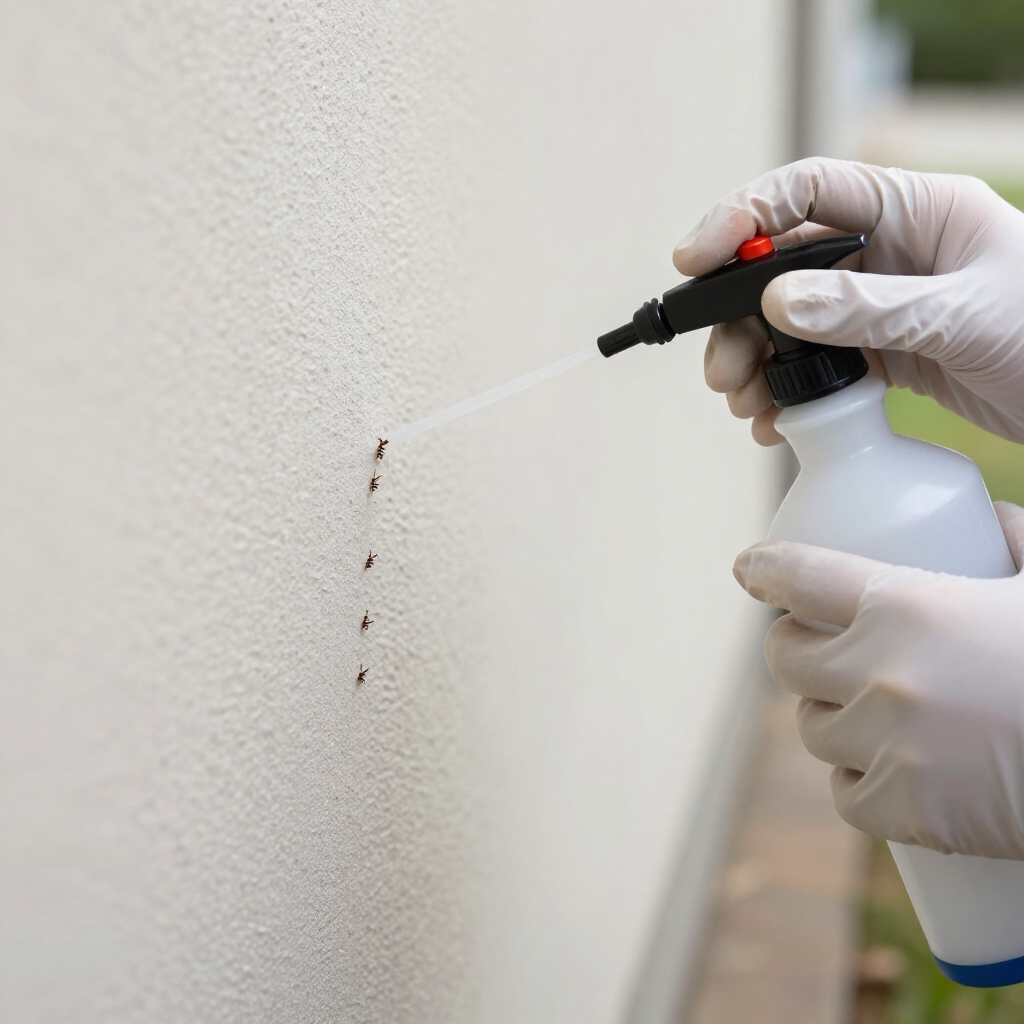
Ants top the list nearly everywhere. These tiny foragers follow scent trails to food sources and can establish colonies inside walls, under floors, or in crawl spaces. Prevention starts with eliminating what draws them in. Wipe down counters daily, store food in sealed containers, and clean up spills immediately — even a few crumbs can summon a trail. Seal cracks around windows, doors, and your foundation with silicone caulk, and trim vegetation away from your home's exterior so branches don't serve as bridges.
Cockroaches thrive in warm, humid environments with easy access to food and water. These nocturnal pests hide in dark crevices during the day and emerge at night, making them especially unsettling. To prevent roaches, fix leaky faucets and pipes promptly, run dehumidifiers in damp basements, and avoid leaving pet food out overnight. Pay special attention to your kitchen: clean under appliances, empty garbage regularly, and use tight-fitting lids on trash cans. Seal gaps around plumbing penetrations and install door sweeps to block their entry points.
Spiders generally prefer to avoid humans, but their presence still causes anxiety for many homeowners — and certain species can pose health risks. Spiders follow their prey, so reducing other insects naturally diminishes spider populations. Remove clutter in basements, attics, and garages where spiders build webs. Outside, clear away leaf piles, stacked firewood, and overgrown shrubs near your foundation. Replace standard outdoor lighting with yellow or LED bulbs that attract fewer flying insects, which in turn attracts fewer spiders.
Rodents — mice and rats — cause significant damage by gnawing on wires, insulation, and structural materials while contaminating food and spreading disease. These opportunists can squeeze through astonishingly small openings: a mouse needs just a dime-sized gap, a rat only a quarter-sized one. Inspect your home's exterior thoroughly, sealing any hole larger than a pencil eraser with steel wool, metal flashing, or concrete — materials rodents cannot chew through. Store dry goods in glass or heavy plastic containers, and keep your garage and pantry organized so you can spot droppings or damage early.
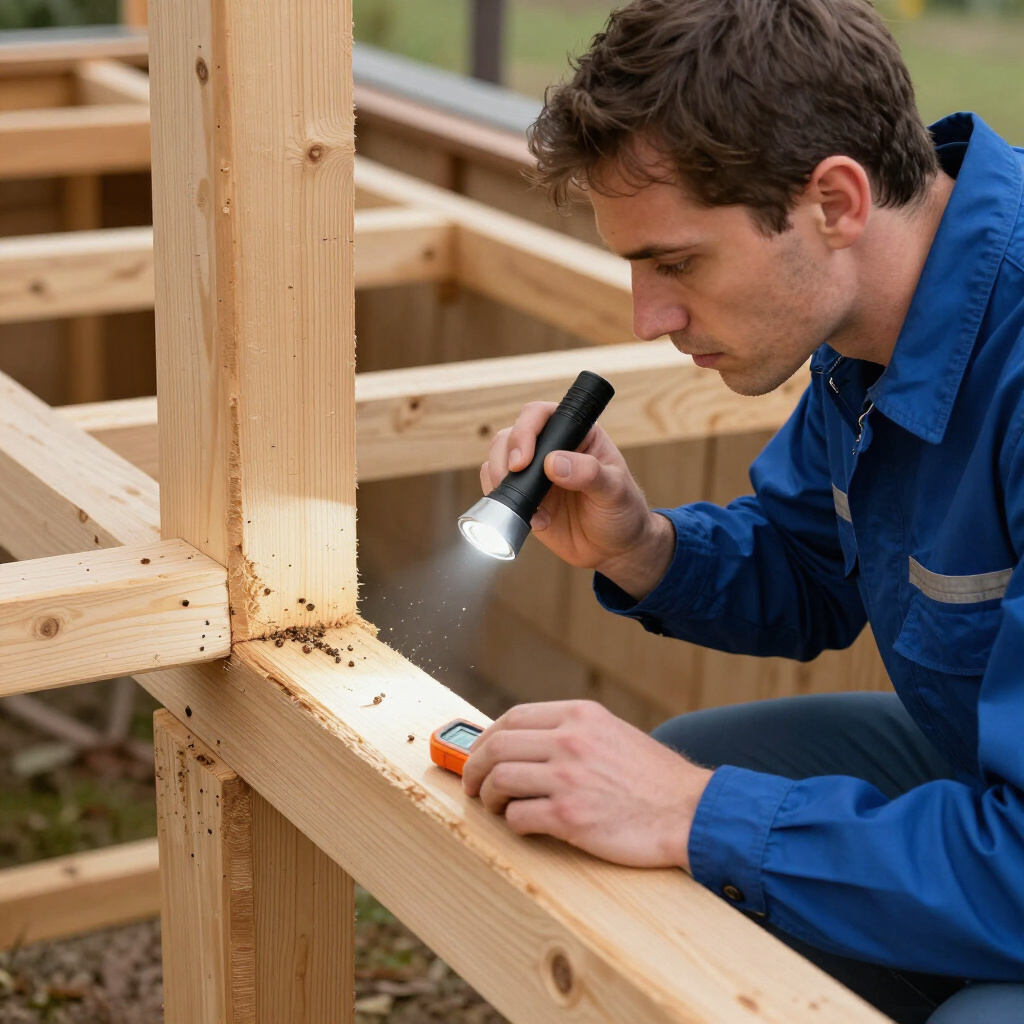
Termites operate silently and can cause catastrophic structural damage before you ever notice a problem. Subterranean termites build mud tubes to access wood, while drywood termites infest furniture and framing directly. Prevention focuses on moisture control and wood management. Divert water away from your foundation with proper grading and functioning gutters. Keep firewood, lumber, and mulch at least twenty inches from your home's exterior. Schedule annual professional inspections — early detection saves thousands in repair costs.
Mosquitoes turn your backyard into a no-go zone and carry serious health concerns. These prolific breeders need only a bottlecap of standing water to reproduce. Walk your property weekly to dump water from birdbaths, flowerpot saucers, clogged gutters, and tarps. Maintain screens on windows and doors without tears or gaps. For persistent problems, consider professional barrier treatments or biological larvicides in ornamental ponds.
Seasonal Pest Prevention Strategies
Pest pressures shift throughout the year, and your prevention efforts should adapt accordingly.
In spring, awakening pests seek food and nesting sites. This is when ants become active, termites swarm, and overwintering spiders emerge. Conduct a thorough exterior inspection, repair winter damage to screens and seals, and establish your cleaning routines before populations explode.
Summer brings peak activity for mosquitoes, flies, and stinging insects. Focus on moisture management, maintain your yard to reduce harborage areas, and stay vigilant about food storage during outdoor entertaining.
As temperatures drop in fall, rodents, spiders, and overwintering insects like stink bugs and boxelder bugs push indoors seeking warmth. Seal entry points now before cold weather drives them inside. Inspect your attic and basement for gaps around utilities and install chimney caps if needed.
Winter doesn't mean pest problems disappear — indoor pests like cockroaches and rodents remain active year-round. Continue sanitation practices, monitor for signs of activity, and use this slower season to schedule any needed structural repairs before spring.
Key Tips for Long-Term Pest Management
Sustainable pest prevention isn't about a single heroic effort — it's built on consistent habits and smart home maintenance.
Start with the fundamentals: maintain impeccable cleanliness in food preparation areas, manage moisture throughout your home, and reduce clutter that provides hiding spots. Store firewood properly, compost wisely, and keep your landscaping tidy with trimmed branches and managed mulch beds.
Know when to call professionals. DIY methods handle minor issues, but recurring problems, structural pests like termites, or any sign of rodent activity warrant expert intervention. Licensed pest control technicians identify hidden vulnerabilities, apply targeted treatments safely, and provide ongoing monitoring that protects your investment.
Finally, keep records. Note when you observe pest activity, what conditions preceded it, and what measures resolved it. Patterns emerge over time that help you anticipate and prevent future problems before they establish.
Final Thoughts
Protecting your home from pests requires vigilance, but it doesn't demand perfection — just consistent attention to the basics that matter. By understanding what attracts the most common household pests and implementing targeted prevention strategies, you create an environment where these unwanted visitors simply cannot thrive. Start with one or two changes this week, build habits gradually, and remember that professional support is always available when you need backup. Your home should be your sanctuary — with the right approach, it stays that way, season after season.