
You're not alone if the thought of harsh chemicals around your home makes you uneasy. Many homeowners are turning to natural pest control methods that actually work, seeking solutions that protect their families, pets, and the environment without surrendering their living spaces to invaders. The good news? Nature offers powerful, proven tools for keeping pests at bay—and they don't require a hazmat suit to deploy effectively.
Natural Pest Control Methods That Actually Work in Your Garden
Your outdoor spaces often face the brunt of pest pressure, but strategic natural approaches can transform a vulnerable garden into a resilient ecosystem. Companion planting stands as one of the most time-tested strategies. Marigolds release compounds through their roots that repel nematodes, while basil planted near tomatoes deters flies and mosquitoes. Nasturtiums act as sacrificial plants, drawing aphids away from your vegetables to feast on their leaves instead.
Beneficial insects deserve a warm welcome in any natural pest management plan. Ladybugs, lacewings, and parasitic wasps consume aphids, mites, and caterpillars at impressive rates. Attract these allies by planting dill, fennel, yarrow, and cosmos—plants that provide the nectar and pollen they need between hunting missions. A small dish of water with pebbles for landing zones also encourages them to stick around.
Neem oil deserves special mention for its remarkable versatility. Derived from the seeds of the neem tree, this botanical extract disrupts the feeding and reproductive cycles of over 200 pest species including whiteflies, spider mites, and Japanese beetles. It breaks down quickly in sunlight and soil, leaving minimal environmental footprint while delivering genuine results when applied consistently.
Diatomaceous earth offers another garden powerhouse. This fine powder consists of fossilized aquatic organisms whose microscopic edges lacerate the exoskeletons of soft-bodied insects like slugs, snails, and earwigs. Sprinkle food-grade diatomaceous earth around plant bases and reapply after rain—it works mechanically rather than chemically, so pests cannot develop resistance.
Indoor Natural Pest Control That Protects Your Home
The transition indoors doesn't mean surrendering to synthetic solutions. Several natural pest control methods that actually work target the specific challenges of interior spaces where food, children, and pets deserve extra consideration.
Essential oils have earned their place in the natural pest toolkit, though effectiveness varies by pest and application. Peppermint oil repels mice and spiders when cotton balls soaked in the oil are placed along baseboards and entry points. Tea tree oil and eucalyptus show promise against dust mites in bedding when diluted properly. However, concentrated essential oils can harm pets—particularly cats—so research your specific situation before widespread use.
Physical barriers remain among the most reliable indoor strategies. Steel wool stuffed into gaps larger than a pencil's diameter blocks mice, who cannot chew through the abrasive material. Door sweeps eliminate the quarter-inch gaps that invite cockroaches and rodents. Fine mesh screens on windows and vents stop flying insects without any chemical intervention whatsoever.
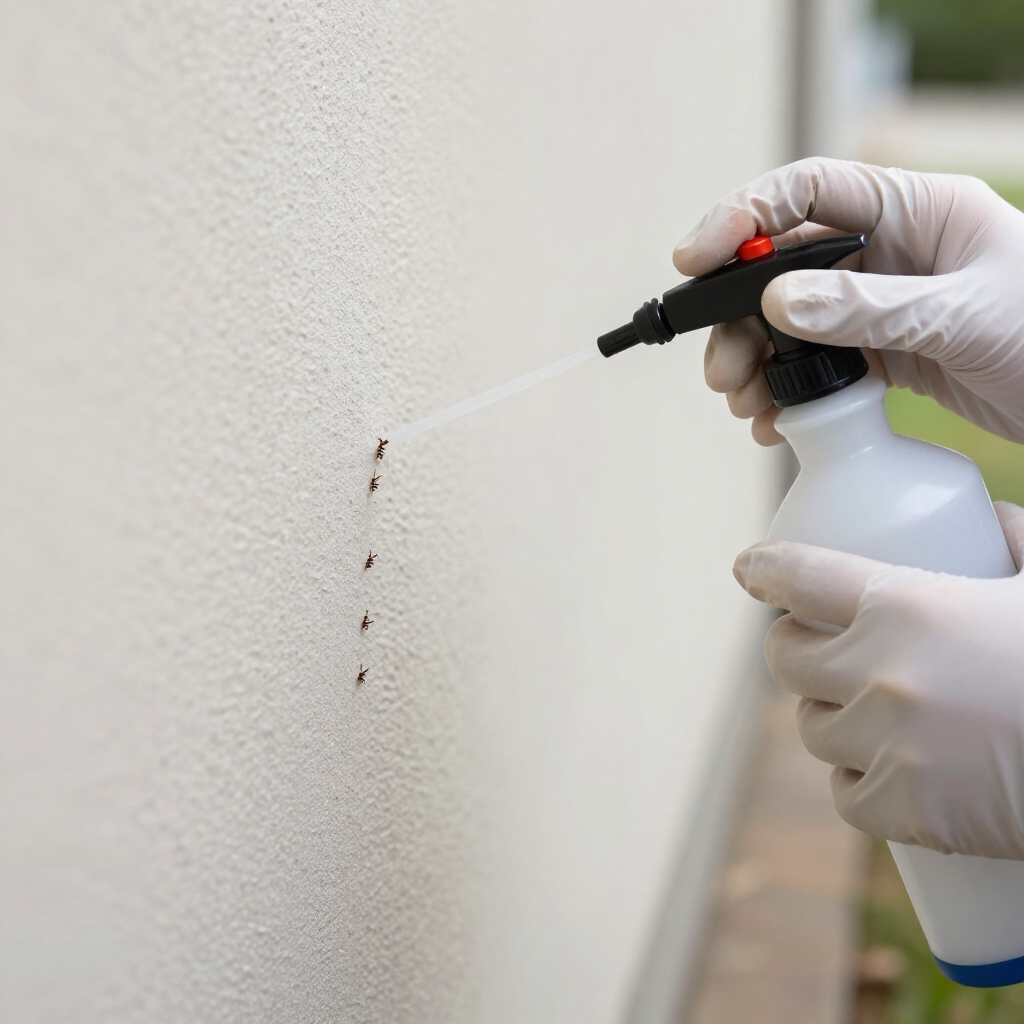
Boric acid, derived from the mineral boron, controls cockroaches and ants with minimal toxicity to humans and pets when used correctly. Mixed with a small amount of sugar or flour as bait, it damages the digestive systems of insects that consume it. Place mixtures in cracks, behind appliances, and under cabinets—locations inaccessible to children and animals but precisely where pests travel.
For fruit fly invasions, a simple apple cider vinegar trap proves devastatingly effective. Fill a small bowl with the vinegar, add a drop of dish soap to break surface tension, and cover with plastic wrap punctured with tiny holes. The fermentation scent attracts adults, while the soap ensures they sink rather than escape.
Key Tips for Making Natural Methods Succeed
Natural pest control demands a different mindset than chemical approaches. These strategies require patience, consistency, and attention to the underlying conditions that attract pests in the first place.
Start with prevention—eliminate standing water where mosquitoes breed, store food in airtight containers, and maintain dry conditions that discourage silverfish and centipedes. A dehumidifier in damp basements often proves more effective against moisture-loving pests than any spray. Regular cleaning removes the crumbs and residues that sustain ant colonies and cockroach populations.
Timing matters significantly with botanical solutions. Apply neem oil and other sprays during cooler morning or evening hours to prevent leaf burn and maximize contact with active pests. Reapply after rainfall, as natural products lack the persistence of synthetic alternatives—this is a feature, not a flaw, as it reduces long-term environmental accumulation.
Monitor and document what works for your specific situation. Every home and garden exists within unique microclimates and pest pressures. What eliminates aphids in one garden may prove insufficient in another with heavier infestations. Start with the least invasive methods and escalate thoughtfully, combining strategies for integrated natural pest management rather than relying on single solutions.
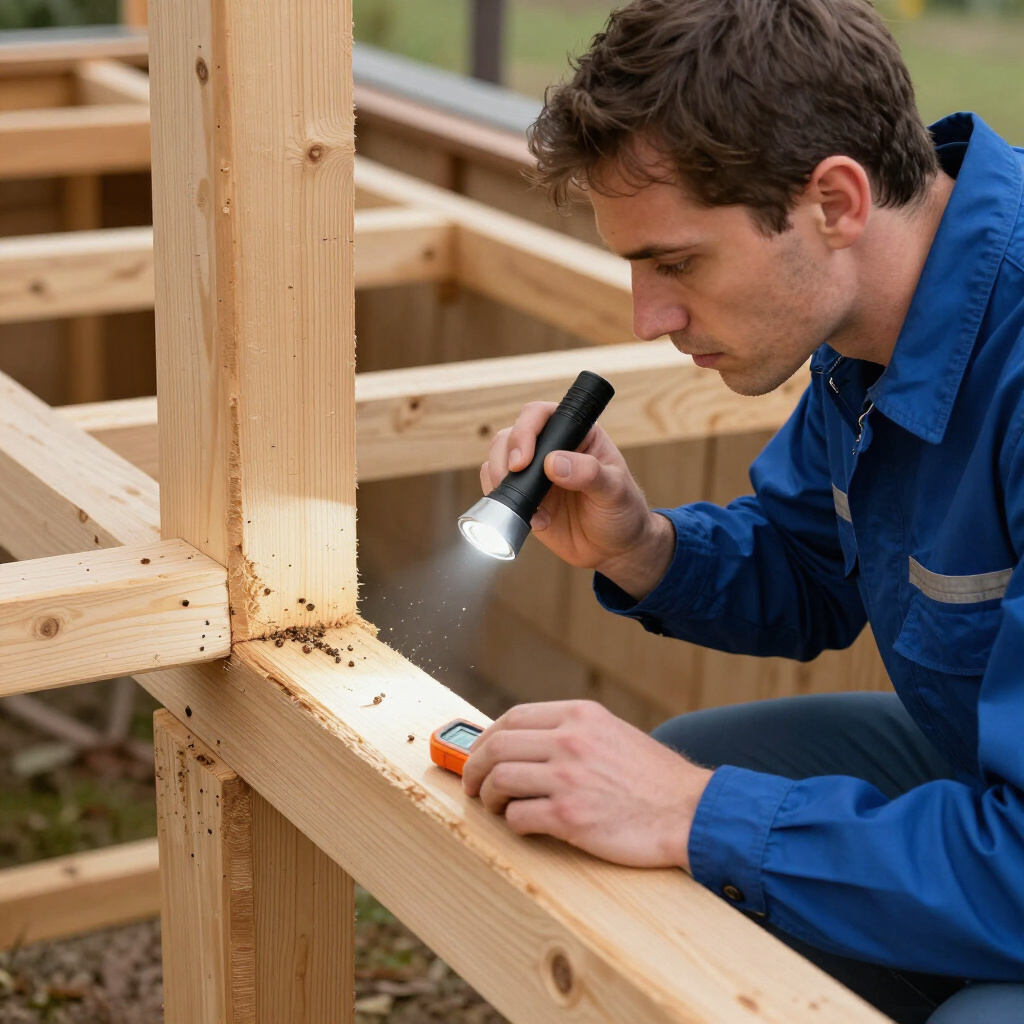
Finally, recognize when professional intervention becomes necessary. Natural methods excel at prevention and management of moderate issues, but established bed bug infestations, termite colonies, or widespread rodent problems may require expert assessment. Reputable pest control professionals can often incorporate natural or reduced-toxicity approaches into comprehensive treatment plans.
Final Thoughts
Embracing natural pest control methods that actually work means working with nature rather than against it. The approaches outlined here—companion planting, beneficial insects, neem oil, diatomaceous earth, essential oils, physical barriers, and vigilant prevention—offer genuine protection without the environmental and health concerns of conventional pesticides.
The most successful natural pest management combines multiple strategies, applied consistently, with realistic expectations about timelines. Results may emerge more gradually than with synthetic chemicals, but the long-term benefits for your household's wellbeing and the surrounding ecosystem prove well worth the patience. Your home and garden can thrive under nature's own protective mechanisms—you simply need to know which tools to deploy and how to use them effectively.