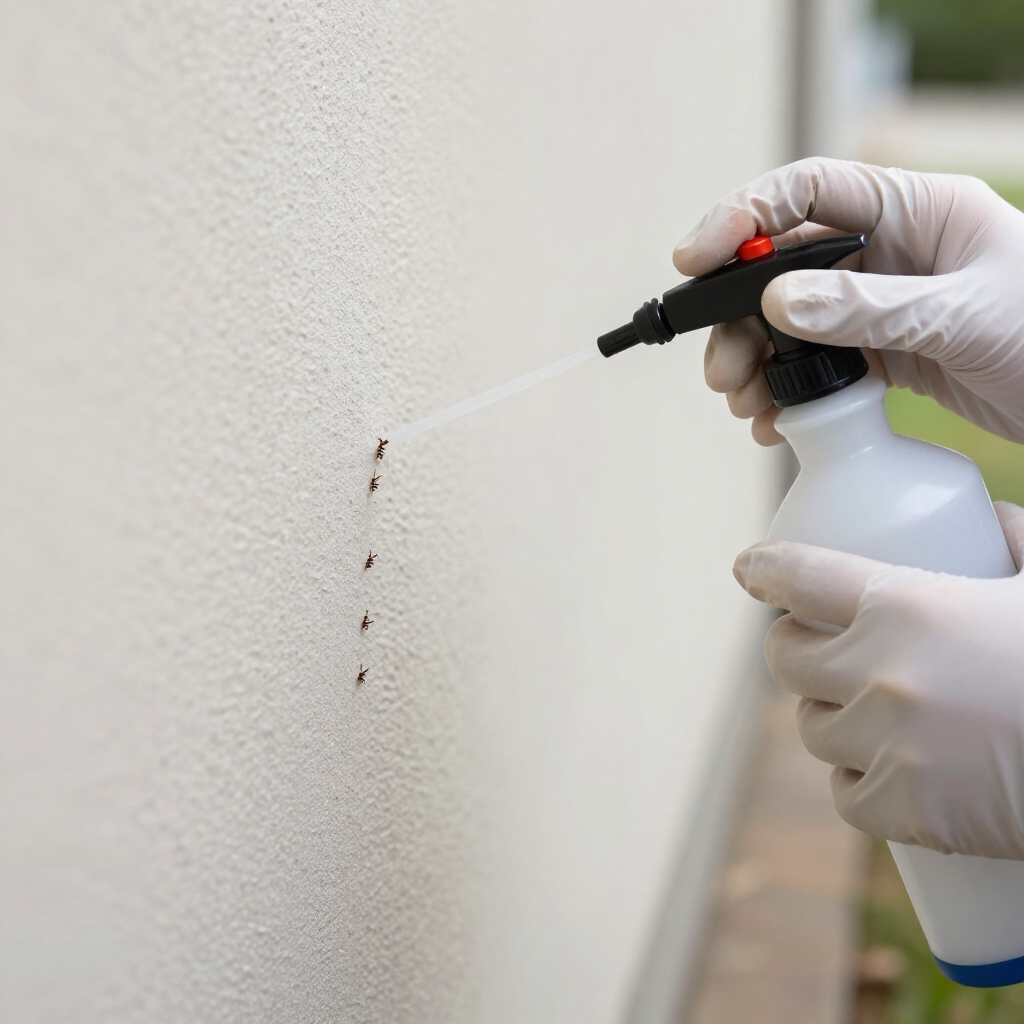


Pests don't take vacations—and neither should your home protection plan. From ants marching across your kitchen counter in spring to mice seeking shelter in your attic come winter, each season brings its own pest challenges. A proactive, year-round approach to pest management saves you stress, protects your property, and keeps your family comfortable. This seasonal pest control checklist breaks down exactly what homeowners should do and when, so nothing slips through the cracks.
Your Seasonal Pest Control Checklist: Spring Awakening
Spring is when pest activity explodes. Warmer temperatures wake dormant insects, and mating season begins for many species. This is your most critical window for prevention.
Start outdoors by inspecting your home's exterior for damage winter may have caused. Check window screens for tears, caulk gaps around doors and windows, and seal cracks in your foundation. Replace any rotted wood trim, as carpenter ants and termites find it irresistible. Clear gutters of debris and ensure downspouts direct water away from your foundation—moisture attracts countless pests.
Inside, focus on the kitchen and pantry. Wipe down all shelves, discard expired food, and transfer dry goods to airtight containers. Even small crumbs can feed an ant colony. Set out traps or bait stations if you've noticed ant activity, and vacuum thoroughly in hidden spots like under appliances.
Don't forget your yard. Trim shrubs and tree branches away from your home's exterior—think of them as highways for ants, spiders, and rodents. Remove leaf litter and standing water where mosquitoes breed. A well-maintained yard is your first line of defense.
Summer Vigilance and Fall Preparation
Summer heat drives pests to seek food, water, and cooler shelter—often inside your air-conditioned home. Your seasonal pest control checklist should emphasize vigilance during these months.
Continue your yard maintenance routine, cutting grass regularly and keeping firewood stacked at least twenty feet from your house. Mosquitoes remain a top concern, so eliminate any standing water weekly, including birdbaths, pet bowls, and plant saucers. Consider treating outdoor gathering areas if you spend significant time outside.
Inspect your home's perimeter monthly. Look for wasp nests forming under eaves, in sheds, or playground equipment. Address these early—small nests are far easier to eliminate than established colonies. Check for signs of rodents in garages and storage areas, and maintain weatherstripping on garage doors.
As temperatures drop in late summer, begin your fall preparation. Install door sweeps, repair damaged vents, and cover chimney openings with fine mesh. Rodents, in particular, start seeking winter shelter in early autumn, and exclusion work now prevents headaches later.
Key Tips for Winter Protection and Year-Round Success
Winter doesn't mean pest problems disappear—they simply move indoors where it's warm. Your seasonal pest control checklist enters its maintenance phase.
Perform a thorough indoor inspection. Check basements, crawl spaces, and attics for signs of rodent activity: droppings, gnaw marks, nesting materials, or greasy rub marks along walls. Listen for scratching sounds at night. Set traps in suspected areas, and consider professional inspection if you suspect an established infestation.
Maintain your defenses even when outdoor work feels less urgent. Keep storage areas organized and elevated—clutter provides hiding spots and nesting materials. Continue storing food properly, and don't let dishes pile up in sinks. Even in winter, consistent sanitation matters enormously.
Schedule your annual professional pest control inspection during winter. Technicians can access areas more easily, identify vulnerabilities you might miss, and recommend targeted treatments before spring activity surges. Think of this as preventive maintenance, like servicing your furnace before heating season.
Finally, document everything you observe and every action you take. Note when you spot particular pests, what treatments you applied, and their effectiveness. This record becomes invaluable for identifying patterns and refining your approach year after year.
Final Thoughts
Effective pest control isn't a single event—it's an ongoing commitment that shifts with the seasons. By following this seasonal pest control checklist, you transform from reactive to proactive, catching problems before they escalate and protecting both your home's structure and your family's wellbeing. Spring demands your most intensive preparation, summer requires consistent vigilance, fall calls for strategic exclusion, and winter rewards thorough indoor inspection. Stay consistent, stay observant, and don't hesitate to partner with professionals when situations exceed your comfort level. Your home deserves year-round protection, and with this checklist in hand, you're fully equipped to provide it.