
Termites are among the most destructive pests a homeowner can face, causing billions of dollars in structural damage each year across the United States. What's particularly troubling about these silent invaders is that they often work undetected for months or even years, chewing through wood, flooring, and wallpaper without obvious warning signs. By the time many homeowners notice something amiss, significant damage has already occurred. Recognizing the early signs you may have termites can mean the difference between a manageable treatment and costly repairs. This guide will walk you through the key indicators that termites have taken up residence in your home—and what to watch for before the problem escalates.
Signs You May Have Termites in Your Home
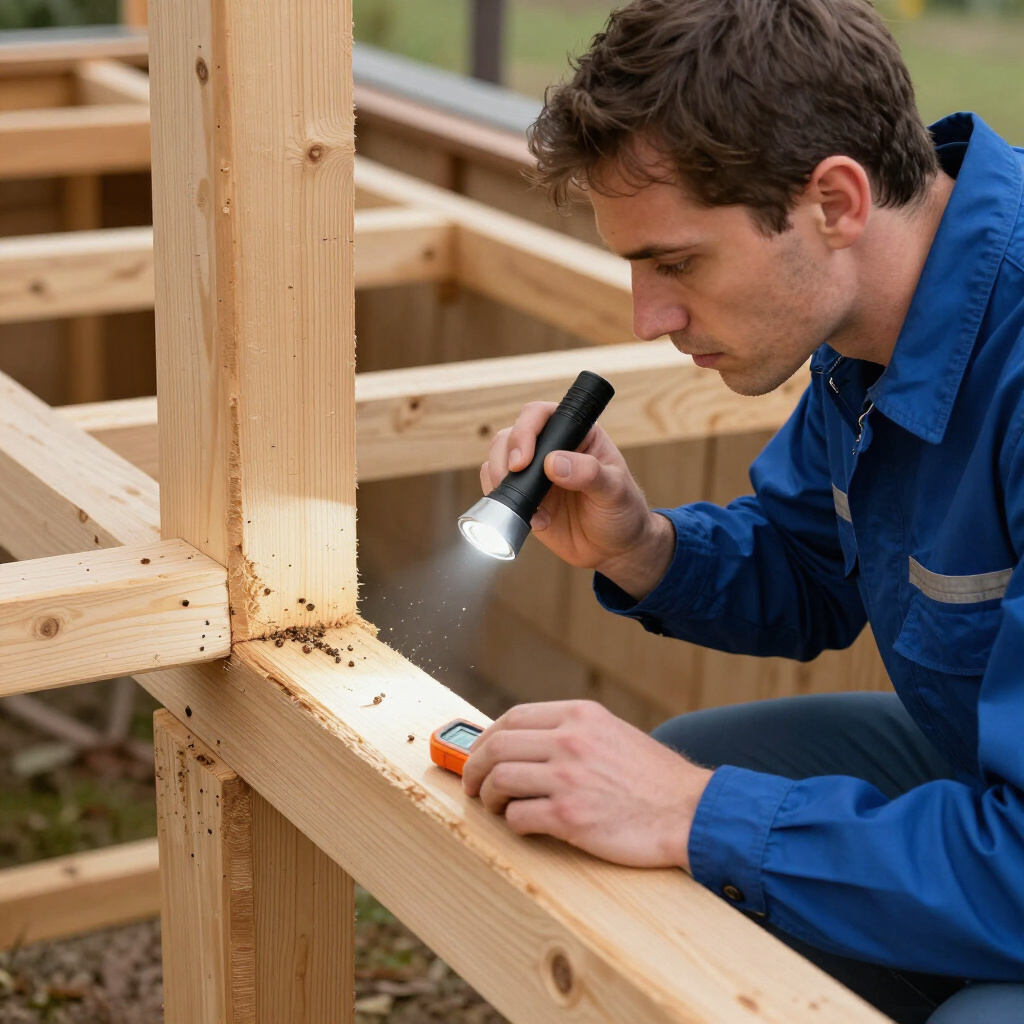
The most common evidence of a termite infestation often appears in subtle forms that are easy to overlook. Mud tubes are perhaps the most telltale sign—these pencil-width tunnels made of soil, wood particles, and saliva allow subterranean termites to travel between their colony and food sources while protected from dry air and predators. Check your foundation walls, crawl spaces, and basement areas for these distinctive pathways, particularly where the structure meets the soil. Another critical indicator is damaged or hollow-sounding wood. Tap on baseboards, window sills, door frames, and wooden support beams with the handle of a screwdriver. If the wood sounds papery or hollow, termites may have eaten the interior while leaving a thin veneer intact. You might also notice blistering or darkening on wood surfaces, which resembles water damage but actually indicates termite activity beneath. Discarded wings near windowsills, doorways, or light fixtures signal a recent termite swarm. Reproductive termites, called swarmers, emerge in spring to establish new colonies, shedding their wings afterward. Finding piles of these delicate, fish-scale-like wings—often in groups of dozens or hundreds—suggests an active or nearby mature colony. Similarly, frass, which appears as small piles of wood-colored pellets resembling sawdust or coffee grounds, indicates drywood termite presence. Unlike subterranean species, drywood termites push their fecal matter out of entry holes, creating these noticeable deposits.
Structural and Environmental Warning Signs
Beyond direct evidence of the insects themselves, certain changes in your home's structure and surroundings can point to an underlying termite problem. Sagging floors, ceilings, or warped door and window frames may develop as termites compromise the structural integrity of wooden supports. Doors and windows that suddenly become difficult to open or close often result from moisture and distortion caused by termite tunneling nearby. Your home's exterior offers additional clues. Cracked or bubbling paint can indicate moisture buildup from termite galleries beneath the surface. Exterior wood that appears crushed at structural joints or shows maze-like patterns when broken open reveals active feeding tunnels. Pay special attention to areas where wood contacts soil or where moisture accumulates, such as around downspouts, air conditioning units, and leaky outdoor faucets. Unexplained clicking sounds within walls, particularly at night when the house is quiet, may be soldier termites banging their heads against tunnel walls to signal danger to the colony. While subtle, this auditory clue has helped attentive homeowners identify infestations before visual damage became apparent.
Key Tips for Early Detection and Prevention
Regular inspection remains your most powerful tool against termite damage. Schedule professional inspections annually, particularly if your home is in a high-risk region or was previously treated for termites. Between professional visits, conduct your own examinations quarterly, focusing on vulnerable areas and using the tapping technique described earlier. Moisture control dramatically reduces your home's attractiveness to termites. Repair leaking pipes, faucets, and exterior AC units promptly. Ensure proper drainage away from your foundation by maintaining gutters and downspouts, and grade soil to slope away from the structure. Reduce humidity in crawl spaces and basements with adequate ventilation and vapor barriers. Maintain a clearance zone between soil and any wooden portions of your home. Wood siding, door frames, and deck posts should sit at least six inches above ground level. Remove dead trees, stumps, and wood debris from your property, as these serve as breeding grounds and food sources that can eventually lead termites to your home. Store firewood and lumber on raised platforms well away from exterior walls. Consider preventive treatments if you live in termite-prone areas. Soil-applied liquid termiticides create chemical barriers, while baiting systems place monitoring stations around your property that can detect activity before colonies establish near your foundation. Discuss options with a licensed pest management professional to determine the best approach for your specific situation and local termite species.
Final Thoughts
Termites operate silently and efficiently, making vigilance essential for every homeowner. The signs you may have termites—from mud tubes and hollow wood to discarded wings and structural changes—require prompt attention rather than hopeful dismissal. Early detection not only preserves your home's structural integrity but also significantly reduces treatment costs and repair scope. If you observe any combination of the indicators discussed, contact a qualified pest control professional immediately for thorough inspection and tailored treatment. Protecting your home from termites is an ongoing commitment, but one that safeguards your most significant investment for years to come.