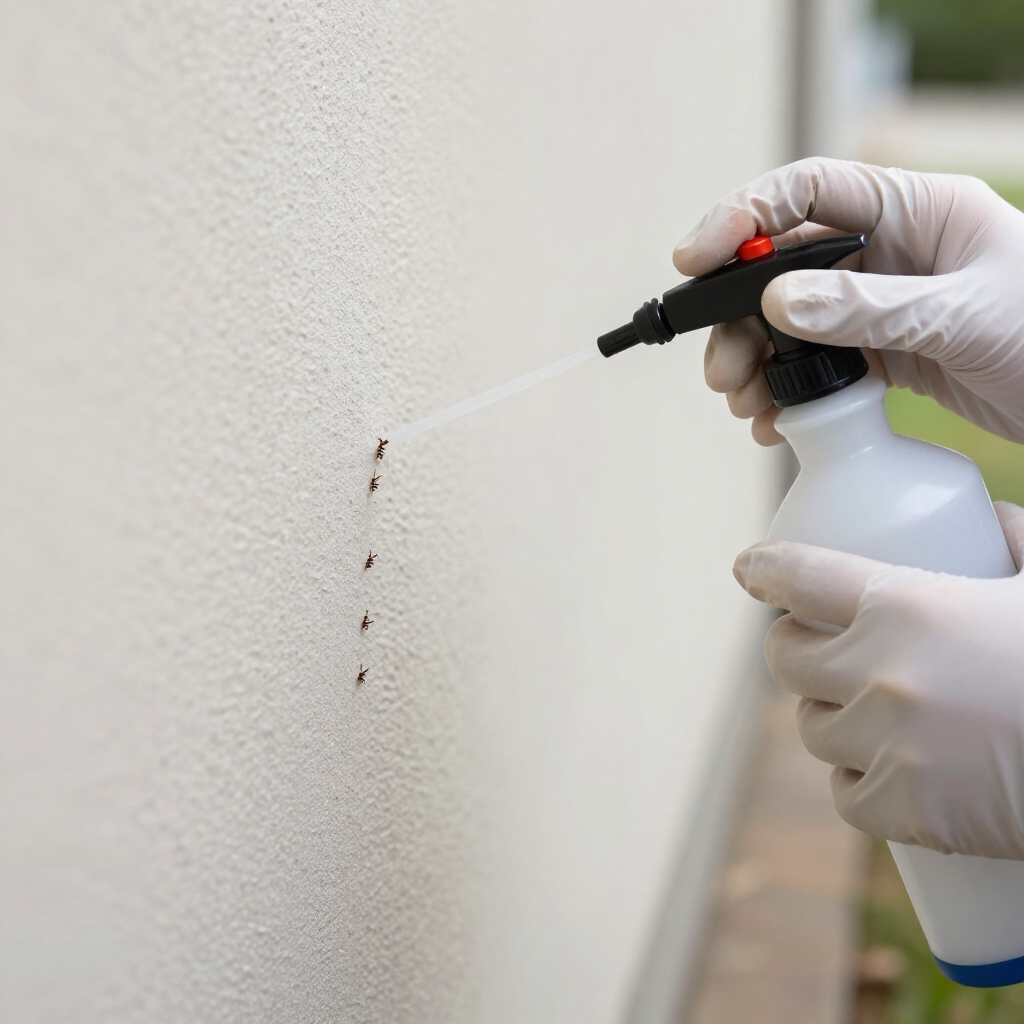
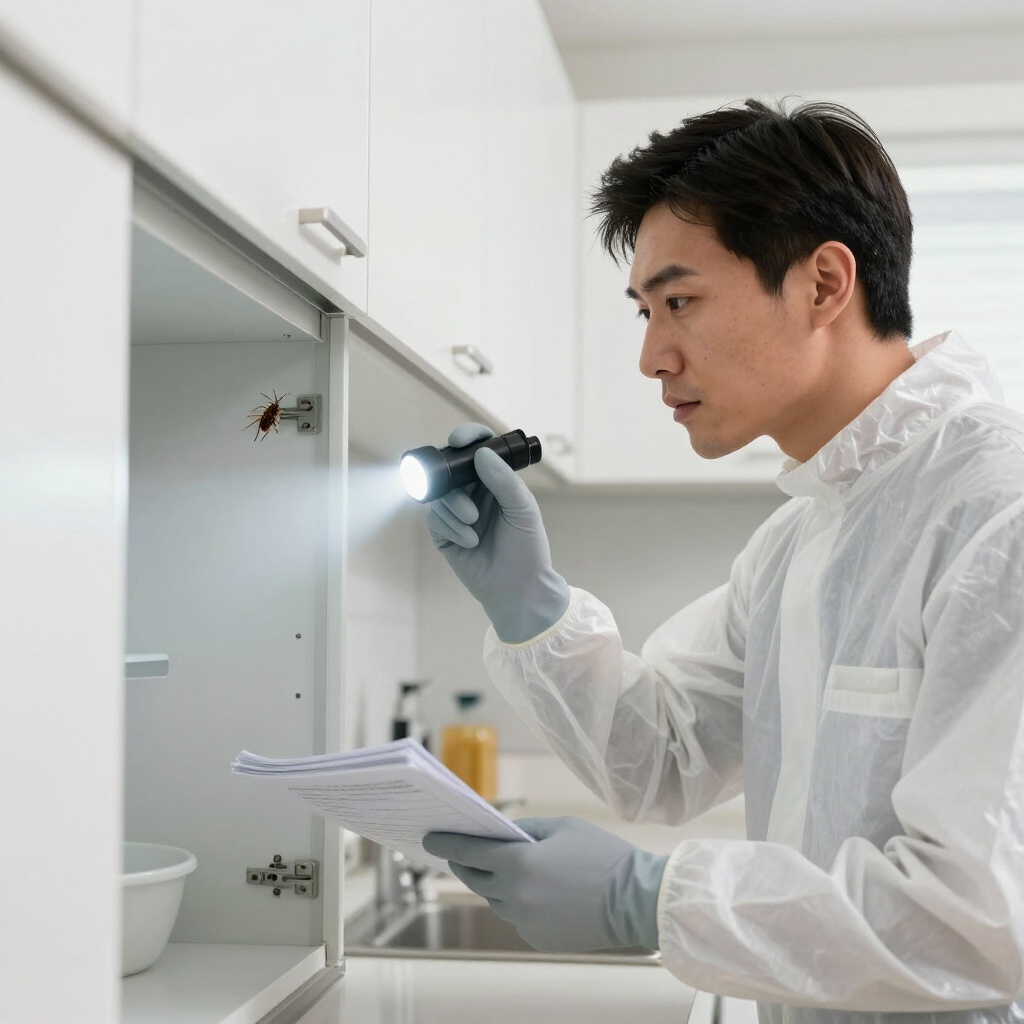
Spotting a single ant on your kitchen counter might not send you into a panic, but waking up to mysterious bites, rustling sounds in your walls, or droppings under the sink certainly can. Homeowners often grapple with the same question: should I handle this myself, or is it time to bring in the experts? Knowing when to call a pest control professional can save you money, protect your health, and prevent small problems from becoming full-blown infestations that damage your property.
Signs It's Time to Call a Pest Control Professional
Some pest situations demand more than a can of spray from the hardware store. One of the clearest indicators that you need professional help is recurring pest activity despite your best DIY efforts. If you've tried traps, baits, or natural remedies and the problem persists or returns within weeks, you're likely dealing with a larger colony or hidden nest that requires specialized treatment.
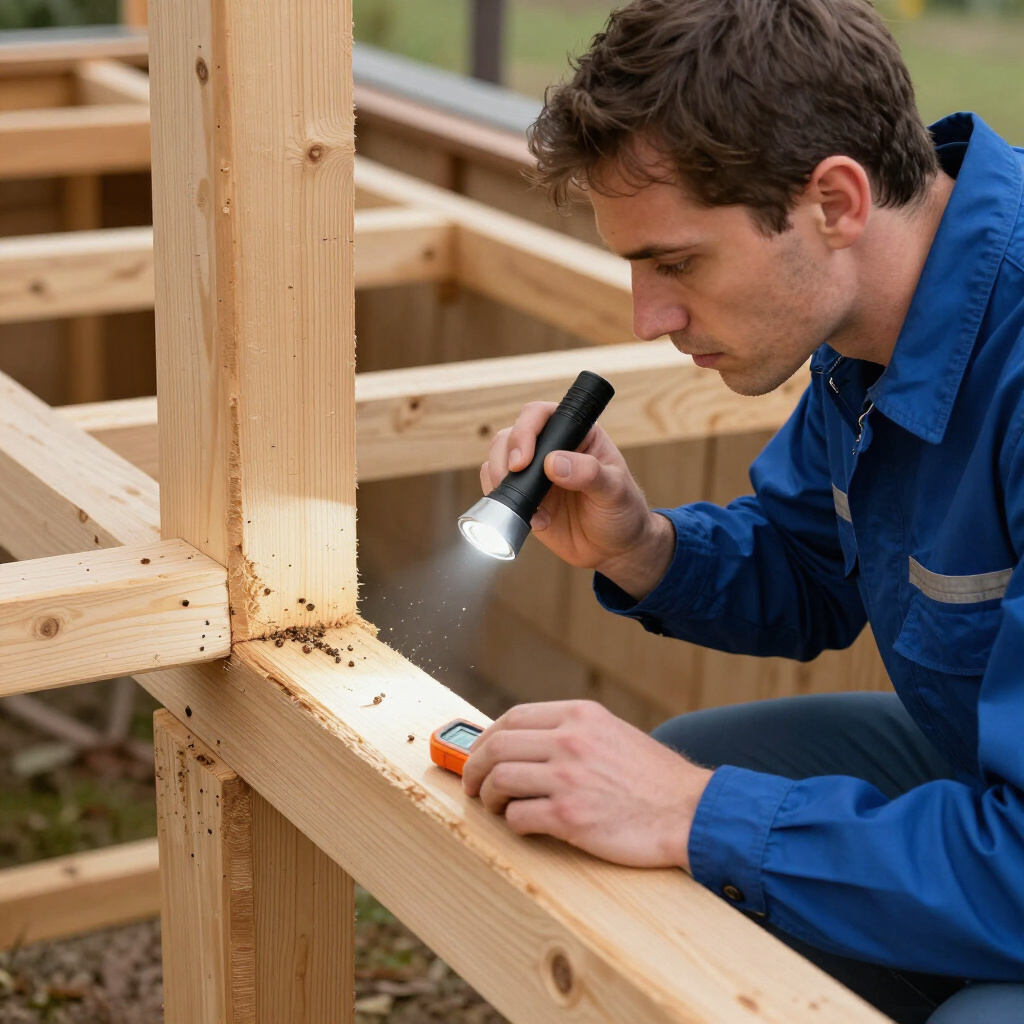
Structural damage is another major red flag. Termites silently chew through wood, carpenter ants excavate galleries in your walls, and rodents gnaw on electrical wiring that can create fire hazards. By the time you notice sagging floors, hollow-sounding wood, or exposed wiring, the damage is often extensive. A pest control professional can identify the source, assess the severity, and implement targeted solutions that protect your home's integrity.
Health symptoms among your family members or pets should also prompt immediate professional intervention. Unexplained respiratory issues, skin rashes, or allergic reactions can stem from cockroach droppings, rodent dander, or bed bug bites. Certain pests like mosquitoes, ticks, and rodents also carry diseases that pose serious health risks. When your family's wellbeing is on the line, expert identification and elimination becomes essential.
Unusual sounds and odors often signal hidden infestations that homeowners struggle to locate. Scratching in walls at night, musty odors in closed rooms, or the smell of ammonia from rodent urine all indicate active pest populations in areas you cannot easily access. Professionals have the tools and training to inspect crawl spaces, wall voids, and attic areas where pests commonly establish themselves.
Pest Problems You Should Never Handle Alone
Certain infestations pose enough risk or complexity that DIY approaches are genuinely inadvisable. Bed bugs exemplify this challenge perfectly. These resilient insects hide in mattress seams, furniture crevices, and even electrical outlets. They reproduce rapidly and develop resistance to common over-the-counter insecticides. Attempting to treat bed bugs yourself typically spreads them to new areas and prolongs the infestation. Professional heat treatment or integrated pest management strategies offer the thorough elimination that bed bugs demand.
Termite infestations similarly require expert attention. These insects work silently and remain hidden within wooden structures. Effective treatment involves identifying the termite species, locating colony entry points, and applying precise treatments such as liquid barriers or baiting systems. Misapplied DIY products rarely reach the colony and merely allow continued destruction.
Wildlife intrusions including raccoons, squirrels, bats, and skunks present unique challenges beyond typical insect pests. These animals can become aggressive when cornered, carry rabies and other diseases, and often have legal protections regarding their removal. Pest control professionals understand humane trapping methods, exclusion techniques, and local regulations governing wildlife handling.
Stinging insect nests around your home create immediate safety concerns, particularly for individuals with allergies. Removing a wasp nest, hornet colony, or beehive from eaves, trees, or ground burrows requires protective equipment and knowledge of insect behavior. Aggressive species will defend their nests vigorously, and improper removal often results in multiple stings and incomplete elimination.
Key Tips for Working With Pest Control Experts
Preparation and communication maximize the effectiveness of professional pest control services. Before your appointment, document where you've noticed activity, including times of day and specific locations. This information helps technicians identify patterns and prioritize inspection areas. Clear clutter from baseboards, cabinets, and storage areas to allow thorough access for treatment.
Ask questions about the treatment methods planned for your home. Reputable professionals will explain their approach, products used, safety precautions for children and pets, and expected timeline for results. Understanding whether follow-up visits are included in your service agreement prevents surprises and ensures complete resolution.
After treatment, follow all technician recommendations regarding cleaning, ventilation, and monitoring. Many treatments require specific waiting periods before mopping floors or wiping treated surfaces. Maintaining the preventive measures your professional suggests such as sealing entry points, managing moisture, and proper food storage extends the effectiveness of treatment and reduces future pest pressure.
Select your pest control provider carefully. Look for licensed, insured companies with positive customer reviews and transparent pricing. Membership in professional organizations indicates commitment to ongoing education and industry best practices. The cheapest quote rarely delivers the best value when it comes to protecting your home and family.
Final Thoughts
Deciding when to call a pest control professional ultimately comes down to assessing risk, scale, and your own limitations. Minor, isolated incidents often respond well to careful homeowner intervention. However, recurring problems, signs of structural damage, health concerns, or high-risk pests all warrant expert involvement without delay.
Professional pest control delivers more than elimination. It provides accurate identification, targeted treatment, preventive guidance, and peace of mind that the problem is genuinely resolved. Rather than viewing professional service as a last resort, consider it a smart investment in your property's longevity and your family's comfort and safety. When pests threaten your home environment, reaching out to qualified experts protects what matters most and restores your sense of security.