

Pest Control Services in Chandler, AZ
Chandler's desert environment and rapid suburban growth create unique pest pressures for homeowners and businesses across Maricopa County. From the historic downtown district to newer developments near Ocotillo and Fulton Ranch, properties throughout Chandler face year-round challenges from scorpions, termites, rodents, and seasonal invaders drawn to irrigated landscaping and monsoon moisture.
Effective pest management in Chandler requires understanding how the Sonoran Desert ecosystem intersects with modern urban living. The city's extensive canal system, numerous parks, and agricultural heritage—including remaining citrus groves and cotton fields—provide harborage and migration corridors for pests. During summer months, temperatures regularly exceed 110°F, driving scorpions, spiders, and rodents indoors seeking relief. Conversely, winter cooling sends these same pests into wall voids and attics, making year-round protection essential rather than seasonal.
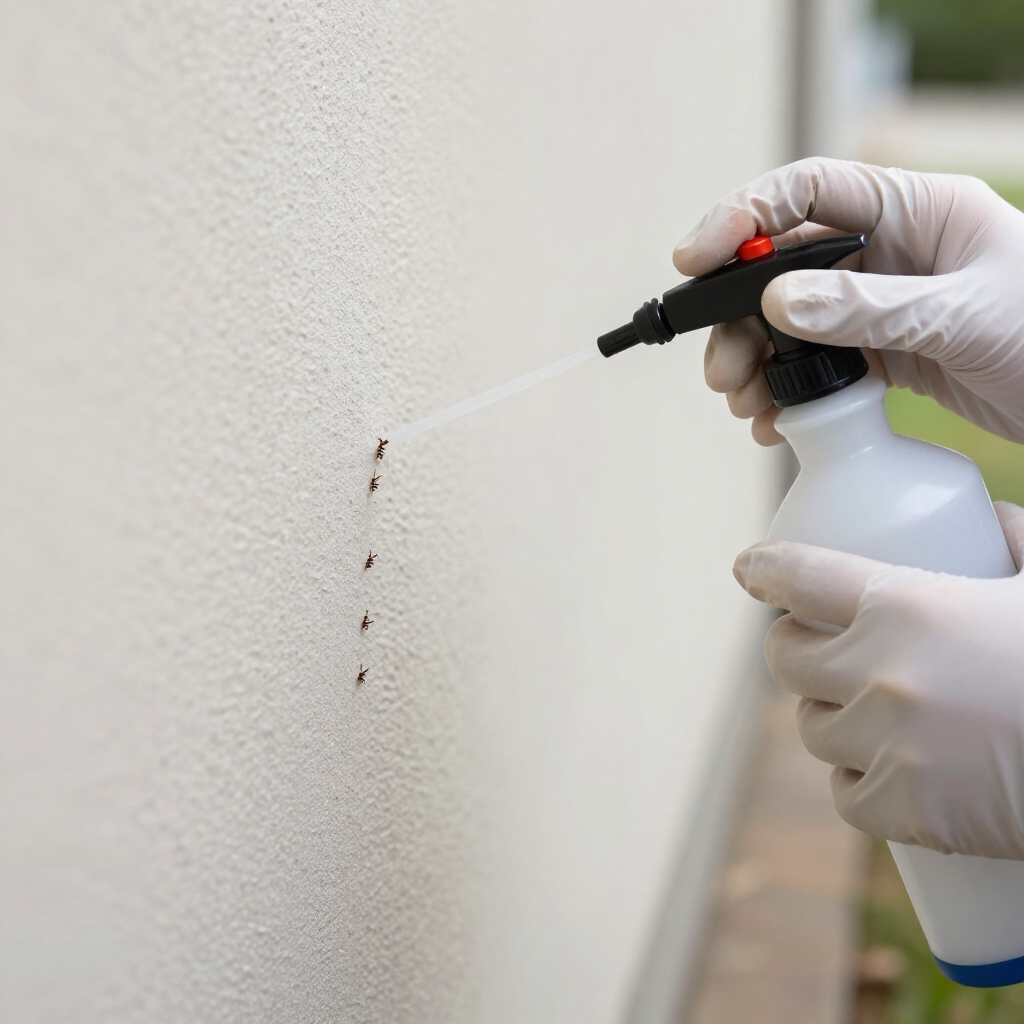
Residential pest control programs for Chandler homes typically emphasize scorpion sealing and barrier treatments, given the prevalence of Arizona bark scorpions throughout the East Valley. Quarterly or bi-monthly exterior perimeter applications, combined with granular treatments in rock landscapes and targeted interior monitoring, address the most common invaders: desert subterranean termites, roof rats, pack rats, various ant species including harvester and fire ants, and the ever-present cockroach populations that thrive in irrigation boxes and outdoor kitchens.
Commercial pest control demands in Chandler span the city's diverse economic base. Tech corridor businesses in the Price Road Corridor, hospitality properties near Chandler Fashion Center, healthcare facilities, and food service establishments each require customized Integrated Pest Management approaches. Warehouses and distribution centers particularly struggle with stored product pests and bird pressure from pigeons nesting in loading dock areas.
Termite control represents a significant concern given Chandler's history of construction on former agricultural land where termite colonies remain established. Pre-treatment for new construction, ongoing monitoring for existing structures, and specialized drywood termite services for older homes in established neighborhoods like Cooper Commons and Sun Groves all play important roles in protecting property values.
Frequently Asked Questions About Pest Control in Chandler
How common are scorpions in Chandler homes?
Scorpion encounters are notably frequent throughout Chandler and the broader East Valley. Arizona bark scorpions, the most venomous species in North America, are well-established in the area's rocky desert terrain and readily adapt to suburban environments. Homes with extensive rock landscaping, backing to desert open space, or located near the San Tan Mountains and McDowell Mountain foothills typically experience higher activity. Effective management combines thorough sealing of structural entry points—gaps around pipes, weatherstripping, and foundation cracks—with targeted exterior treatments using products specifically formulated for arachnid control. Blacklight inspections during evening hours help identify harborage areas like palm trees, block wall crevices, and accumulated debris.
What termite species threaten Chandler properties?
Desert subterranean termites pose the primary threat to Chandler structures, thriving in the region's warm, dry conditions while maintaining underground moisture connections through mud tubes. These termites are particularly destructive to softwoods and can infest any wood-ground contact points common in slab-on-grade construction. Drywood termites also occur, especially in mature neighborhoods with older framing, requiring fumigation or localized heat treatment rather than soil-based approaches. Annual professional inspections are strongly recommended, as termite activity often remains hidden within wall voids until significant damage occurs. New construction pre-treatments and post-construction baiting systems both offer viable prevention strategies.
When is peak pest season in Chandler?
While Chandler experiences pest pressure year-round, activity patterns shift dramatically with seasons. March through May brings explosive ant and bee swarming as temperatures moderate. June through September's monsoon season, with its humidity spikes and heavy rainfall, triggers termite swarming, mosquito breeding in standing water, and increased scorpion movement. October through February sees rodents seeking indoor harborage as nighttime temperatures drop, while overwintering pests like cluster flies and occasional invaders such as crickets become more noticeable. The most intensive treatment periods typically align with pre-monsoon preparation in late spring and fall rodent exclusion work, though consistent quarterly maintenance prevents the population buildups that make seasonal surges unmanageable.
How does Chandler's water management affect pest populations?
Chandler's extensive canal system, reclaimed water use for landscaping, and mandatory irrigation schedules fundamentally alter natural pest dynamics. The Salt River Project and Central Arizona Project canals create linear wildlife corridors that facilitate pest movement across urban areas. Overwatering or poor drainage in residential landscapes produces conditions favorable to mosquitoes, fungus gnats, and the moisture-seeking pests that follow. Conversely, drought-stressed plants attract sap-feeding insects like aphids and scale, which then support ant and wasp populations. Smart irrigation practices, proper drainage grading, and moisture management around foundations represent critical cultural controls that complement chemical treatments. Properties near the Consolidated Canal, Western Canal, or area lakes experience notably different pest pressures than drier interior developments.
What should I look for in a Chandler pest control provider?
Selecting appropriate pest control in Chandler requires verifying Arizona Office of Pest Management licensing and confirming specific experience with desert pest species. The state's regulatory framework requires applicator certification, but expertise with local conditions varies considerably. Quality providers demonstrate familiarity with Chandler's specific challenges: scorpion behavioral patterns, termite species identification, and rodent exclusion techniques suited to stucco and tile roof construction common in the market. Ask about treatment protocols for your specific neighborhood's age and construction type, warranty terms for termite services, and whether technicians are employees or subcontractors. Responsiveness matters significantly—scorpion stings and severe infestations demand prompt attention. Finally, evaluate whether proposed programs emphasize prevention and habitat modification rather than reliance on broad-spectrum spraying alone, as sustainable results in desert environments require integrated approaches.