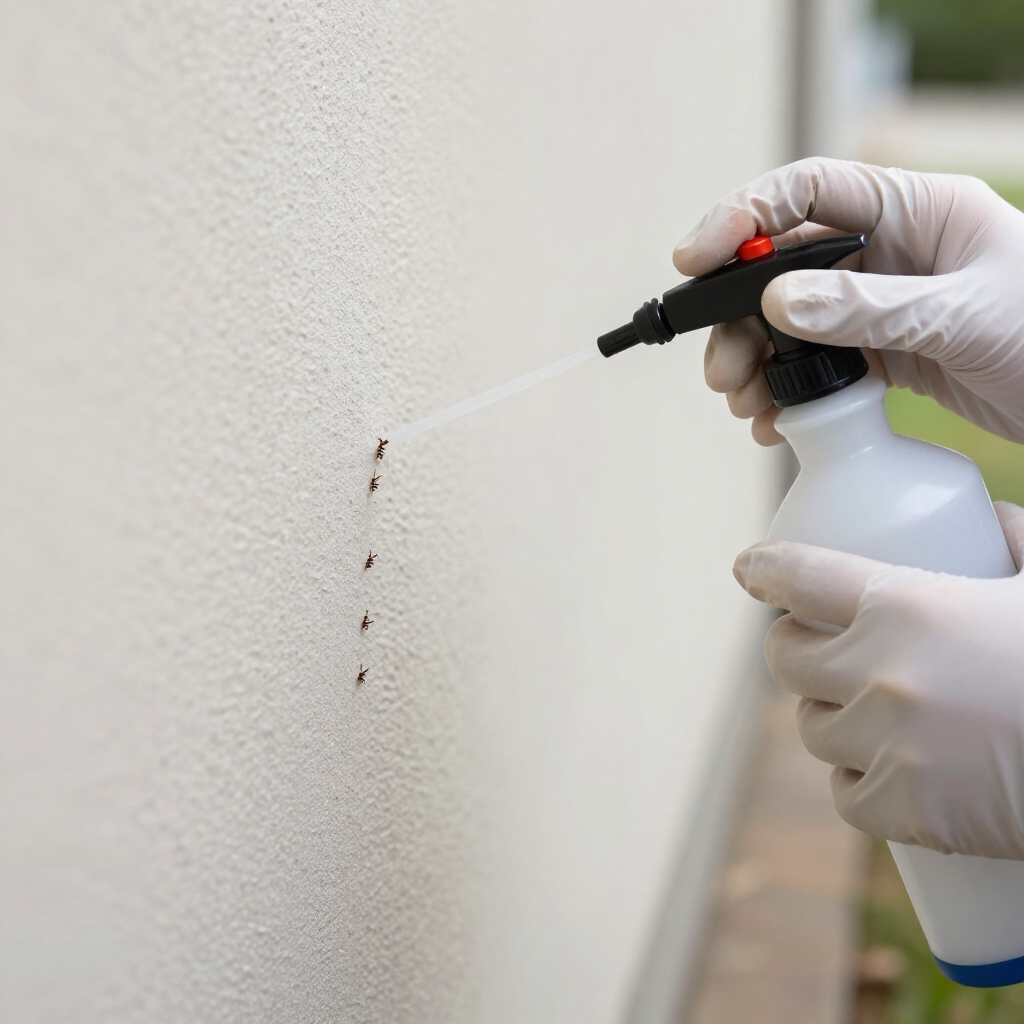


How to Choose a Pest Control Professional in Phoenix
Finding the right pest control professional in Phoenix means understanding what makes Maricopa County unique. The Sonoran Desert climate creates year-round pest pressure that demands specialized knowledge and responsive service.
Start by verifying Arizona Office of Pest Management (OPM) licensing. Every legitimate operator in Phoenix must carry this state certification. Ask for the license number and confirm it through the OPM database—this single step eliminates unqualified providers.
Experience with desert-adapted species matters enormously here. Scorpions, roof rats, and Africanized honey bees behave differently than pests in temperate climates. Choose technicians who train specifically for Arizona's indigenous threats rather than national chains applying generic protocols.
Request proof of commercial liability insurance and workers' compensation coverage. Phoenix properties often require attic work, roof perimeter sealing, and exterior wall treatments that carry injury risks. Proper insurance protects your household from liability if accidents occur on your property.
Evaluate their integrated pest management (IPM) approach. Quality Phoenix providers emphasize exclusion, habitat modification, and targeted treatments over blanket pesticide application. This matters particularly during Arizona's intense summer heat when chemical volatilization increases.
Read local reviews focusing on scorpion control effectiveness and rodent exclusion durability. Phoenix's competitive market generates substantial feedback—look for patterns in how companies handle callback requests and warranty claims.
What to Expect from Pest Control Services in Phoenix
Professional pest control in Phoenix follows a structured process adapted to desert conditions. Understanding this sequence helps you prepare and evaluate service quality.
Initial inspection typically spans 45-90 minutes. Technicians examine interior perimeters, attic spaces, garage entry points, and the full exterior foundation. In Phoenix, they'll specifically note: block wall weep holes, palm tree proximity, drip irrigation lines, and pool equipment areas that harbor moisture-seeking pests.
Treatment planning follows documentation. You receive a written report identifying active infestations, conducive conditions, and recommended interventions. Reputable Phoenix companies specify which products they'll apply, where, and why—transparency that builds trust and enables informed consent.
Initial service often requires interior and exterior treatment. Granular baits go into landscape beds, liquid barriers treat foundation perimeters, and dust formulations address wall voids where scorpions harbor. Interior applications target kitchen plumbing, bathroom fixtures, and garage door seals.
Follow-up scheduling reflects Phoenix's seasonality. Most residential accounts need bi-monthly exterior maintenance during spring through fall, with quarterly service sufficient in winter months. Severe scorpion problems may warrant monthly visits initially.
Warranty terms vary by pest type. Scorpion guarantees typically require ongoing service agreements. General insect coverage often includes free retreatments between scheduled visits if activity resumes.
Available Pest Control Services
Phoenix providers offer specialized solutions addressing the region's distinctive pest challenges:
- Scorpion control — Blacklight inspections, harbor elimination, residual barrier treatments, and structural sealing for bark scorpions, the most medically significant species in Arizona
- Termite management — Pre-treatments for new construction, post-convention soil treatments, and baiting systems targeting subterranean termites active throughout Maricopa County
- Rodent exclusion — Roof rat and house mouse programs combining trapping, entry point sealing (often requiring roofline work), and sanitation recommendations
- Bee and wasp removal — Live honeybee relocation when possible, Africanized colony elimination, and paper wasp nest treatment for eaves and patio areas
- Bed bug treatment — Heat remediation (preferred in Phoenix's climate) and conventional chemical protocols for multi-unit dwellings and single-family homes
- Mosquito reduction — Larvicide applications to standing water sources, adulticide misting for outdoor living spaces, and source reduction consultation
- Pigeon and bird control — Exclusion netting, spike installation, pressure washing, and waste remediation for commercial and residential properties
- General insect maintenance — Ongoing prevention for ants, cockroaches, spiders, crickets, and silverfish common to the Phoenix metropolitan area
Frequently Asked Questions
How dangerous are scorpions in Phoenix?
Arizona bark scorpions—the species most commonly encountered in Phoenix—can deliver painful stings requiring medical attention, particularly for children, elderly individuals, and those with compromised immune systems. While fatalities are extremely rare with modern antivenom availability, their presence warrants professional management, especially in homes with young children.
Why do I see more pests after rain in Phoenix?
Monsoon moisture triggers breeding cycles and drives pests from saturated ground into structures. Termites swarm, ants relocate colonies, and scorpions follow moisture-seeking prey indoors. Post-storm inspections often reveal new entry points created by wind damage.
Is pest control safe for my desert landscaping?
Qualified Phoenix technicians select products and application methods specifically compatible with xeriscape plants, drip irrigation systems, and pollinator-friendly blooms. Granular formulations and targeted spot treatments minimize impact on native vegetation and beneficial insects.