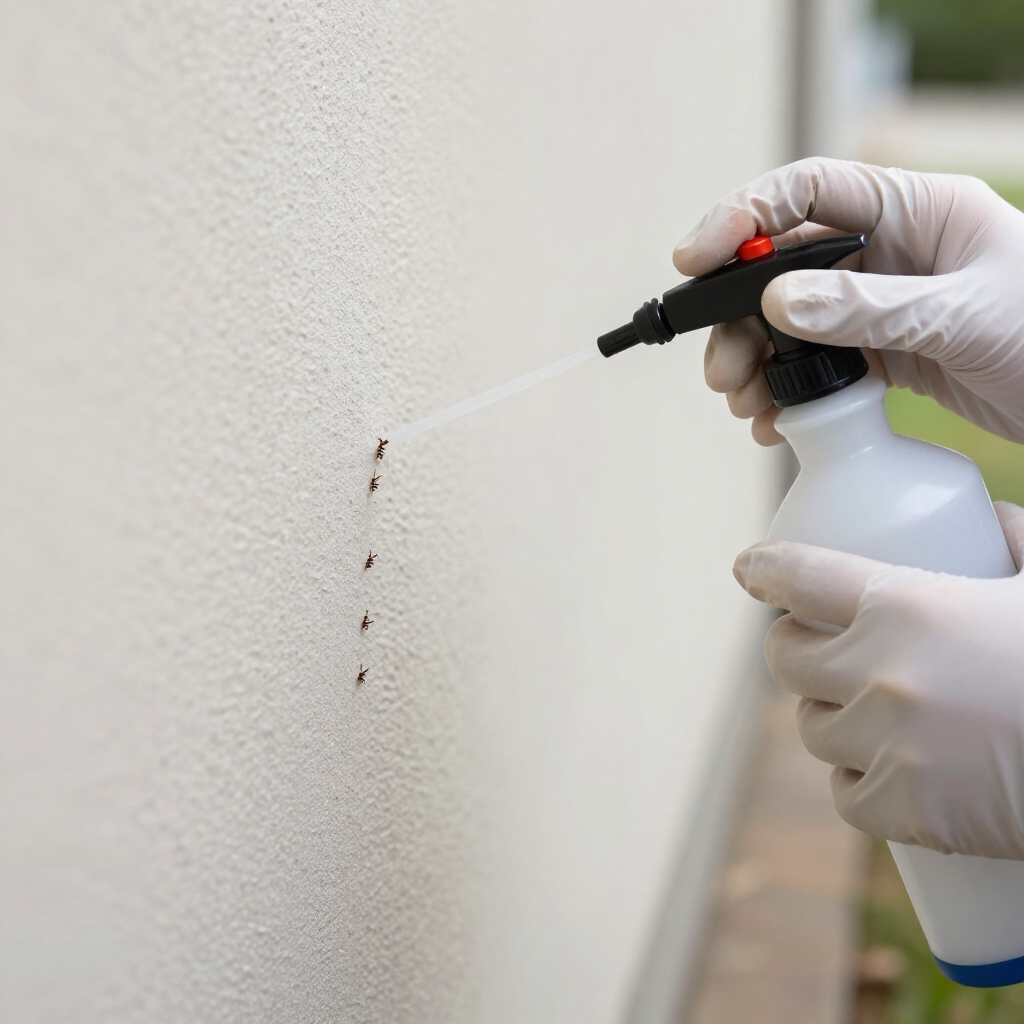


How to Choose a Pest Control Professional in Snowflake
Finding the right pest control provider in Snowflake means looking beyond flashy advertising to verify credentials that actually matter in Navajo County's unique high-desert environment. Start with Arizona Office of Pest Management licensing—every legitimate operator must carry current state certification. Ask specifically about experience with altitude-related pest behavior; at 5,600 feet, Snowflake's cooler temperatures and distinct seasonal patterns differ dramatically from Phoenix or Tucson markets.
Request proof of local knowledge. Technicians should understand how Silver Creek's riparian corridor attracts moisture-dependent pests, how piñon-juniper woodlands harbor specific rodent populations, and how winter temperatures drive pests into residential structures. Generic treatment plans fail here.
Insurance verification matters equally. Verify general liability and workers' compensation coverage directly with carriers, not just accepting photocopies. For properties near agricultural zones or the Snowflake Industrial Park, confirm familiarity with integrated pest management protocols that protect surrounding ecosystems while eliminating infestations.
Read reviews with geographic specificity. Five-star ratings from Phoenix customers carry minimal relevance. Seek feedback mentioning specific Snowflake neighborhoods, seasonal timing, or recurring regional issues like vole damage to landscaping or cluster fly swarms during autumn warm spells.
What to Expect from Pest Control Services in Snowflake
Professional service follows a structured protocol adapted to northern Arizona's realities. Your initial consultation begins with comprehensive property assessment—technicians examine foundation perimeters, attic spaces, crawl areas, and outbuildings with attention to construction-era vulnerabilities common in Snowflake's mixed housing stock spanning Victorian-era homes through modern developments.
The inspection specifically identifies entry vectors: gaps around utility penetrations, deteriorated weatherstripping, chimney flashings, and vent screens compromised by our intense UV exposure and freeze-thaw cycles. You'll receive documented findings with photographic evidence and prioritized recommendations.
Treatment implementation varies by pest type and season. Spring services typically emphasize perimeter barrier applications before ant and spider activity peaks. Mid-summer targets monsoon-driven termite swarming and increased scorpion movement. Fall preparations focus on rodent exclusion before winter drives mice and rats indoors. Winter treatments address indoor pests when outdoor application effectiveness diminishes.
Follow-up scheduling reflects Snowflake's extended pest seasons. Unlike lower elevations where winter provides natural population suppression, our moderated cold means year-round vigilance remains necessary. Most residential programs include quarterly service minimums, with monthly visits during active infestation resolution.
Available Pest Control Services in Snowflake
Providers throughout Navajo County offer comprehensive service menus addressing regional pest pressures:
- Residential pest management — ongoing protection programs for single-family homes, townhouses, and rural properties targeting ants, spiders, cockroaches, crickets, and occasional invaders
- Termite control and prevention — inspection, liquid barrier treatments, and baiting systems addressing subterranean termite species active in our area
- Rodent management — exclusion, trapping, and population control for mice, rats, and ground squirrels with attention to agricultural adjacency concerns
- Scorpion control — specialized night inspections, blacklight-assisted population reduction, and harborage elimination for bark scorpion issues
- Bed bug elimination — heat treatment and targeted chemical protocols for hospitality properties, multi-unit housing, and private residences
- Wildlife management — humane removal of skunks, raccoons, and birds with Navajo County permit compliance and relocation protocols
- Commercial pest programs — customized plans for restaurants, warehouses, healthcare facilities, and manufacturing operations with documentation for health inspections
- Pre-construction termite pretreatment — soil treatments for new builds and additions meeting Arizona building code requirements
- Emergency and same-day response — rapid deployment for severe infestations, stinging insect nests, and sanitation-threatening situations
Frequently Asked Questions
How do Snowflake's high elevation and cold winters affect pest activity?
Snowflake's 5,600-foot elevation creates shorter growing seasons but doesn't eliminate pest pressure. Many species—particularly rodents, spiders, and certain ant varieties—adapt by seeking indoor harborages during cold months. Winter actually intensifies interior infestations while reducing outdoor treatability, making proactive fall exclusion critically important.
Are desert-adapted pests like scorpions common in Snowflake?
Yes, though less prevalent than lower Sonoran Desert locations. Bark scorpions occupy suitable microhabitats here, particularly in rocky outcrops, construction materials, and irrigated landscaping. Properties with stone veneer, excessive ground cover, or proximity to undeveloped land face elevated risk requiring specialized management.
What makes Navajo County pest control regulations different?
Arizona's statewide pesticide applicator licensing applies uniformly, but Navajo County's agricultural character and tribal land adjacencies create practical considerations. Buffer zones near Navajo Nation boundaries, organic farming operations, and water protection areas may restrict certain treatment methods—knowledgeable local providers navigate these constraints routinely.
How quickly should I schedule service after noticing pest signs?
Immediate scheduling prevents exponential population growth. A single mouse pair produces 6-8 litters annually; German cockroach populations double monthly under favorable conditions. Most Snowflake providers offer assessment appointments within 48-72 hours, with emergency availability for health-threatening situations like bee swarms or severe rodent contamination.